Many buyers choose tote bags by price or fabric name first. That often leads to weak samples, poor shelf appeal, and costly reorders1 that should have been avoided.
Buyers should choose retail tote bags by the job the bag must do, the target price point, and the store use case. Material matters, but structure, size, handle, printing, and overall retail feel matter just as much.2
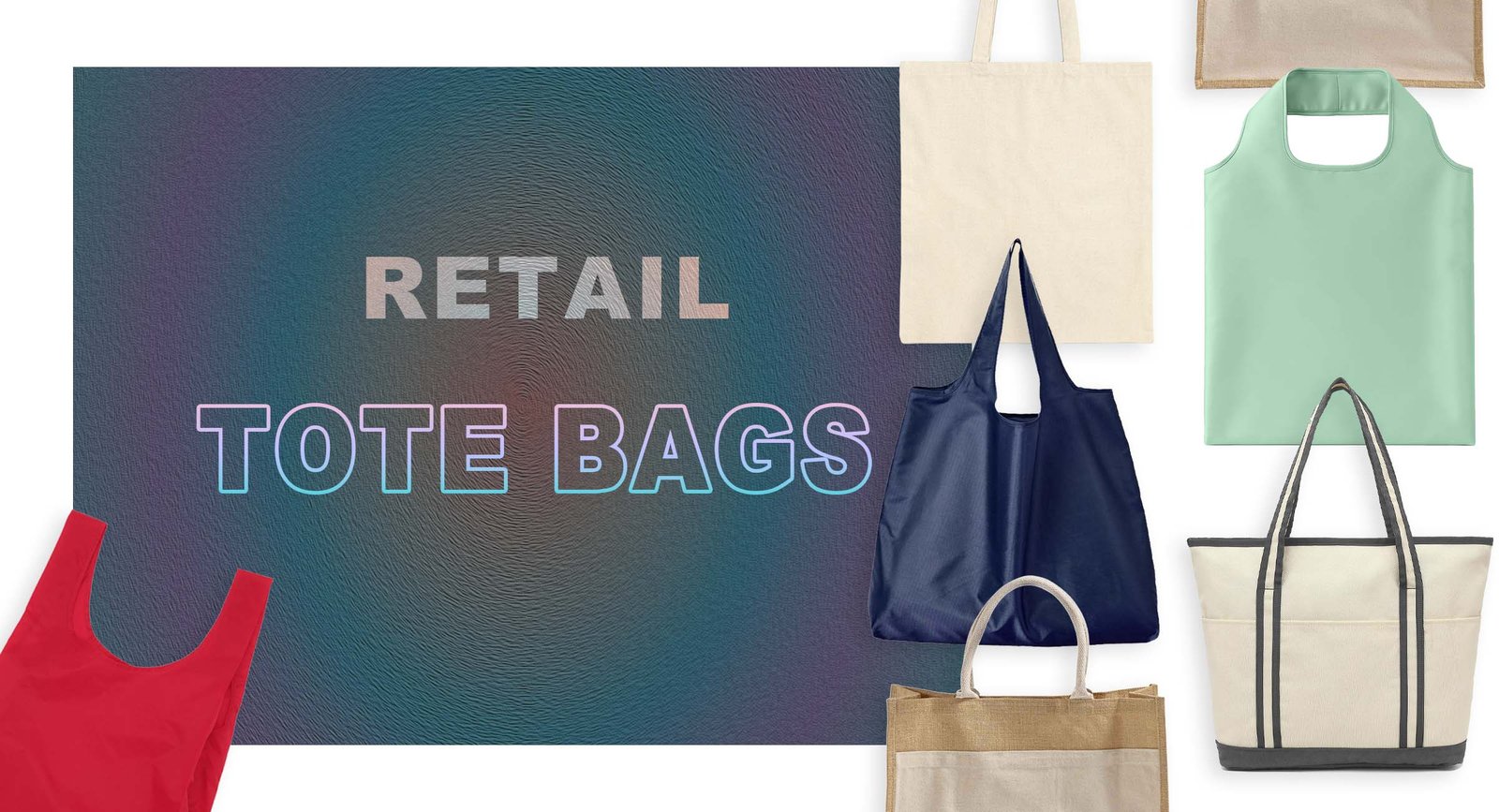
I have handled many tote bag inquiries from retail buyers, supermarket teams, and sourcing managers. I often see the same problem. A buyer asks for the cheapest cotton bag or the lowest non-woven bag. Then, after sampling, they realize the bag does not match the brand image, the load need, or the in-store plan. I think the better question is simple: what must this tote bag do in retail? When I start from that point, the right choice becomes much clearer, and the buying risk becomes much lower.
What Fabric Should Buyers Choose for Reusable Tote Bags?
Many buyers ask me for the best tote bag fabric. That sounds practical, but it often creates the wrong starting point and leads to weak comparisons.
Buyers should choose fabric based on the tote bag’s retail task, expected reuse, and target feel. Cotton, canvas, non-woven, and recycled materials all work, but only when weight, stitching, handle build, and shape match the real use.
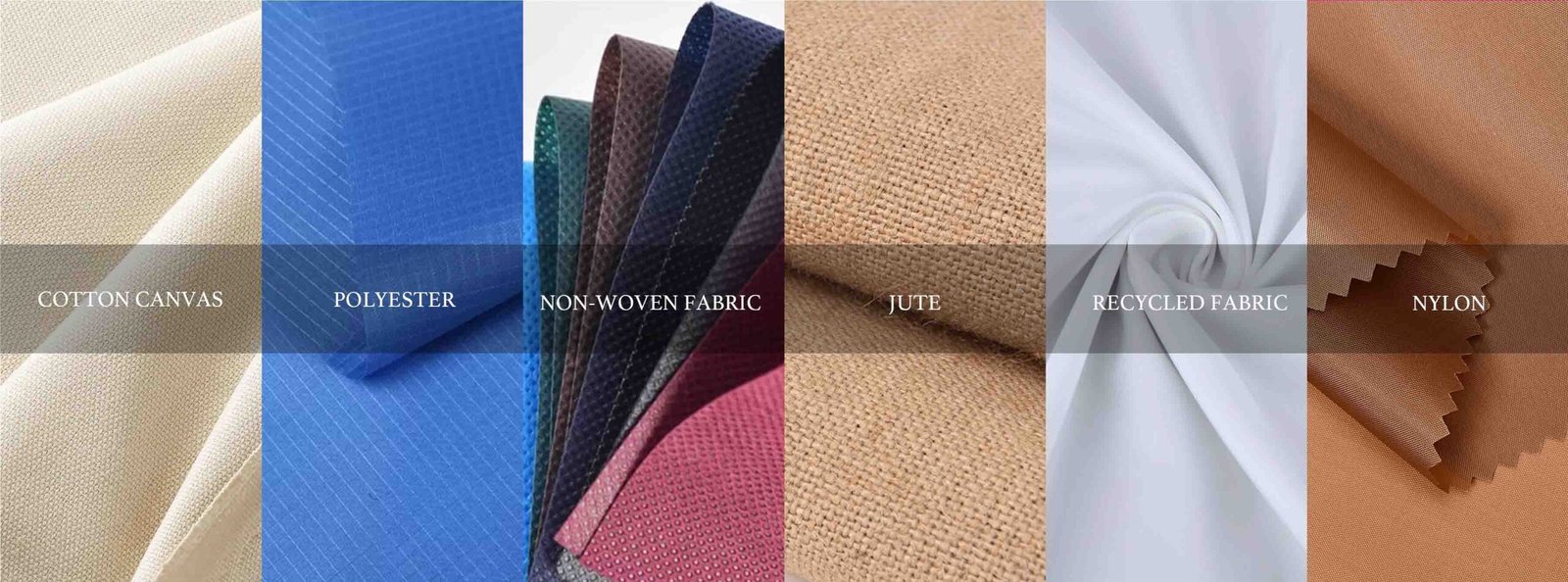
In buyer inquiries, we often see fabric names used like a shortcut. I understand why. Fabric names are easy to ask for in a quotation sheet. Still, the material name alone does not tell me enough. A cotton tote can feel soft and cheap, or strong and premium. A non-woven tote can be good for a short campaign, or too thin for repeated shopping use.3 A recycled option can support a brand story, but it still needs the right structure.
A common sampling-stage mistake is this: the buyer asks for “canvas” without setting the fabric weight, gusset, handle stitching, or bag shape. Then the sample arrives, and the bag feels flat or weak. The problem is not the word “canvas.” The problem is that construction was not defined.
I usually suggest that buyers match the fabric to the retail task first. This simple table shows how I think about it:
| Retail task | Fabric direction | What I check first |
|---|---|---|
| Supermarket checkout | Non-woven or stronger reusable fabric | Load, handle strength, cost control |
| Brand merchandise | Cotton or canvas | Feel, print result, repeat use |
| Gift-with-purchase | Cotton, non-woven, or recycled blend | Budget, appearance, campaign value |
| Premium retail display | Heavier canvas or structured recycled fabric | Shape retention, finish, presentation |
I also remind buyers that eco-friendly is not always the right answer by itself4. If the bag looks too thin, too soft, or too rough for the brand image, the eco message may not help enough. I think a better choice is a bag that balances sustainability, budget, use, and appearance. That is what performs better in real retail.
Which Tote Bag Size Works Best for Retail Campaigns?
Many tote bag orders fail because buyers choose a size that looks safe on paper but does not fit the products, checkout flow, or event use.
The best tote bag size depends on what customers carry, how the bag is displayed, and how much value the buyer wants the bag to show. A practical size beats a random standard size.5

I have seen many buyers start with a common size because it is easy to quote fast. I understand that too. Procurement often needs quick pricing. Still, size affects almost everything. It affects fabric use, print area, carrying comfort, visual value, and how useful the bag feels after purchase.
A tote for supermarket programs usually needs practical volume. A tote for cosmetics or gift-with-purchase often needs cleaner proportions and better presentation. A tote for branded retail merchandise may need more width for folded apparel or catalogs. If the bag is too small, customers cannot use it well. If the bag is too large, it may look empty, weak, or less premium.6
When I discuss size with buyers, I usually ask these simple questions first:
- What items will go inside?
- Will customers carry it by hand or shoulder?
- Will it be folded, stacked, or hung in store?
- Is the bag part of the product value story?
This table gives a useful way to think about size choice:
| Campaign type | Size focus | Main risk if wrong |
|---|---|---|
| Grocery or supermarket | Capacity and strength | Too small for shopping use |
| Beauty or gift promo | Clean look and proportion | Too large for product set |
| Apparel retail | Width and print visibility | Poor fit for folded items |
| Trade show or event | Document and giveaway space | Uncomfortable carrying experience |
In buyer conversations, I often say that the “best” size is the one that supports the actual retail action. I do not like choosing size from habit alone. A bag is not just a container. In retail, size also sends a message about value. If the bag feels useful and balanced, customers keep it longer.7 That matters more than a small ex-factory saving.
How Do Printing Methods Affect Logo Quality and Cost?
Buyers often focus on logo size and color count, but they forget that printing method changes both the look and the real cost of the bag.
Printing methods affect logo sharpness, color result, durability, and unit cost.8 Buyers should choose printing based on fabric type, artwork detail, order quantity, and the retail look they want to create.
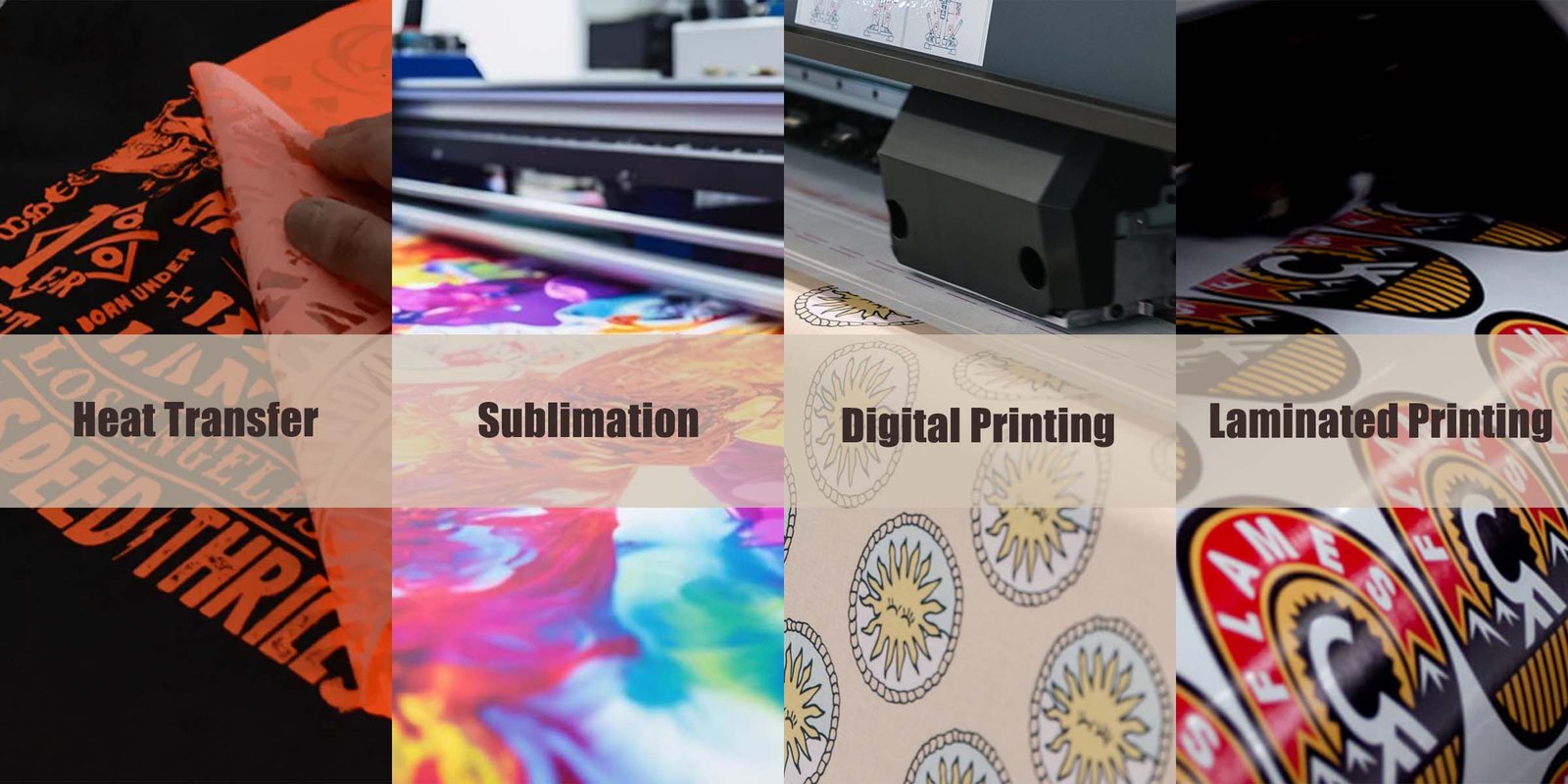
This is one of the most common quote-stage issues I see. A buyer sends a logo file and asks for the lowest print cost. Then, after the sample, the logo looks less sharp than expected, or the color looks different on the chosen fabric. The buyer feels the bag is wrong. In many cases, the print method was wrong for the artwork and fabric from the start.
For simple logos and large quantity programs, basic screen printing is often practical. It usually controls cost well and gives a clean result on many fabrics. For more detailed artwork or richer color effects, other methods may fit better. Still, every method has trade-offs. A nice-looking print on one material may not look as good on another. Fabric texture also matters a lot. A rough canvas surface will not show every fine detail the same way a smoother fabric can.9
I usually guide buyers with this type of comparison:
| Print method | Good for | Main limit |
|---|---|---|
| Screen printing | Simple logos, solid colors, large runs | Fine detail can be limited |
| Heat transfer | More complex artwork, smaller runs | Cost can rise, feel may change |
| Digital style options | Multi-color images, short runs | Fabric compatibility matters |
| Embroidery for some designs | Premium logo effect | Not ideal for all artwork or budgets |
A common sampling-stage mistake is comparing print methods without comparing the final retail goal. If the tote is for a low-cost promotion, perfect photo detail may not be needed. If the tote is for branded merchandise, logo feel and visual impact may matter much more. I think buyers should ask a simple question: what logo result supports the retail role of this bag? That question often saves time, cost, and frustration.
What Handle Length Is Best for Shopping and Events?
Many buyers approve a tote bag body and forget the handle details. Then the sample feels awkward in use, even when the fabric and printing look right.
The best handle length depends on how customers carry the bag, how heavy the contents are, and whether the bag is for shopping, gifting, or events. Comfort and structure should guide the choice.
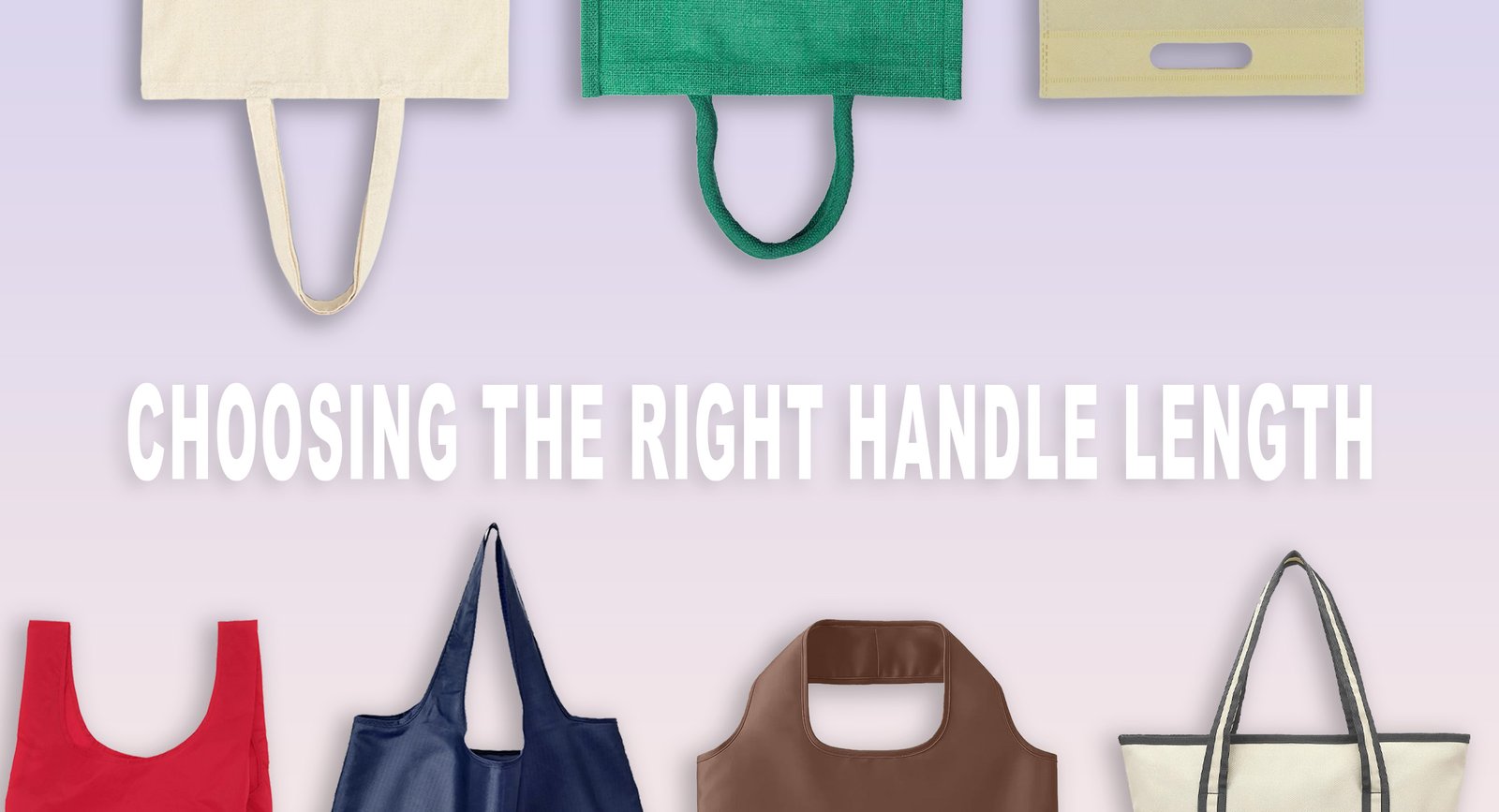
I think handle length is one of the most underestimated parts of tote bag buying. In buyer inquiries, we often see strong attention on fabric weight, but very little detail on handle drop, handle width, and reinforcement. That can create a bag that looks acceptable on the table but feels wrong in actual use.
For shopping use, many customers prefer shoulder carrying.10 That means the handle needs enough drop to sit comfortably, especially when the bag is full. For events, hand carry can work well if the bag is lighter and used for brochures, samples, or gifts. Still, if the handle is too short, shoulder use becomes annoying. If it is too long, the bag may swing too low and feel unstable.
I also look at handle construction, not only length. This matters a lot:
- Handle width affects comfort.
- Stitching affects carrying safety.
- Cross stitch or box stitch can improve confidence.11
- Handle material should match bag style and cost level.
This table helps organize the decision:
| Use case | Handle direction | What I watch closely |
|---|---|---|
| Supermarket shopping | Longer shoulder handle | Weight comfort and stitch strength |
| Trade show event | Medium handle | Easy carry for light contents |
| Gift bag program | Short or medium, based on style | Neat look and balance |
| Premium retail tote | Comfortable shoulder handle | Finish, feel, and visual quality |
I often tell buyers that a good tote bag should feel right the moment a customer picks it up. That small detail changes how the whole bag is judged. A bag with the right handle often feels more valuable, even when the material cost increase is small.
What Should Buyers Check Before Ordering Promotional Tote Bags?
Many tote bag problems start before production. Buyers rush the order, confirm a quote, and only later notice gaps in size, stitching, print, or packing details.
Before ordering promotional tote bags, buyers should confirm use case, full specifications, sample approval points, packaging, delivery timing, and quality expectations. A clear checklist reduces cost risk and avoids avoidable mistakes.12

This is the part I care about most. I have seen buyers lose time not because the factory could not make the bag, but because the order details were not clear enough at the start. Promotional tote bags often move fast. Teams want quick quotes, quick samples, and quick shipment. That speed is normal. Still, speed without clarity creates rework.
A common mistake is approving a sample by general feeling only. I think buyers should check each point in a simple way. They do not need to make the process heavy. They just need to make it complete. Here is the checklist I would use before mass production:
| Check item | Why it matters | What I confirm |
|---|---|---|
| Bag use case | Sets the real product standard | Shopping, gift, resale, event |
| Material and weight | Affects feel and durability | Exact fabric and GSM if needed |
| Size and gusset | Affects function and cost | Final dimensions with tolerance |
| Handle details | Affects comfort and safety | Length, width, stitch method |
| Printing | Affects brand image | Method, size, position, color |
| Sample approval | Reduces misunderstanding | Keep approved reference standard |
| Packing | Affects freight and handling | Carton count, folding method |
| Delivery plan | Protects campaign timing | Production lead time and ship date |
In buyer conversations, I often notice that the strongest procurement teams are not the ones asking the lowest first price. They are the ones asking the clearest early questions. That is how they avoid buying a tote bag that is cheap to quote but wrong for the real retail result.
Conclusion
I choose retail tote bags by real use, not by fabric name or low price alone, because the right bag must fit the brand, the budget, and the customer experience.
"Package design as a branding tool in the cosmetic industry - PMC", https://pmc.ncbi.nlm.nih.gov/articles/PMC9123395/. Studies on manufacturing quality costs and specification management report that incomplete or unclear product requirements are associated with higher rates of rework, delays, and avoidable cost; separate retail and packaging research also finds that presentation cues influence consumer perception at the point of sale. These findings support the article’s warning that specification shortcuts can produce weak samples and expensive corrections. Evidence role: general_support; source type: paper. Supports: Research should support that unclear product specifications increase rework and quality costs, and that presentation attributes can affect perceived retail appeal.. Scope note: The evidence is likely contextual rather than specific to tote bags. ↩
"Package design as a branding tool in the cosmetic industry - PMC", https://pmc.ncbi.nlm.nih.gov/articles/PMC9123395/. Design and ergonomics literature generally treats product performance as a function of several interacting attributes, including material, geometry, structural reinforcement, carrying interface, and surface finish; this supports the article’s claim that fabric alone is an incomplete basis for selecting a retail tote bag. Evidence role: expert_consensus; source type: paper. Supports: Sources should show that product utility and user perception depend on multiple design attributes, not only material choice.. Scope note: Most sources will address product or packaging design in general rather than retail tote bags specifically. ↩
""Evaluation of Durability of Nonwoven Polypropylene Grocery Bags ...", https://open.clemson.edu/all_theses/2476/. Government and life-cycle assessment sources on reusable shopping bags note that non-woven polypropylene bags are commonly used as lightweight reusables, but their service life depends substantially on material weight and construction quality, making them more suitable for some reuse scenarios than others. Evidence role: mechanism; source type: government. Supports: A source should support that non-woven polypropylene bags vary in durability and that reuse performance depends on construction and material weight.. Scope note: Such sources often discuss typical performance ranges rather than proving failure for every thin non-woven bag. ↩
"Timeless Aesthetics: How Symmetry Enhances Sustainable ...", https://cmr.berkeley.edu/2025/03/timeless-aesthetics-how-symmetry-enhances-sustainable-consumption-in-luxury-fashion/. Consumer research on sustainable products commonly finds that environmental claims are more persuasive when baseline expectations for quality, usability, and value are also met, supporting the article’s point that an eco-friendly message alone may not be sufficient. Evidence role: general_support; source type: paper. Supports: Research should support that sustainability claims do not fully compensate for poor functional performance or weak product fit.. Scope note: The support is about consumer behavior broadly, not tote-bag-specific purchasing outcomes. ↩
"The Impact of Visual Elements of Packaging Design on Purchase ...", https://pmc.ncbi.nlm.nih.gov/articles/PMC11851823/. Packaging design guidance from educational and engineering sources emphasizes that dimensions should be set according to intended contents, handling conditions, and user interaction rather than by habit alone, which supports the article’s argument for purpose-based tote sizing. Evidence role: general_support; source type: education. Supports: A source should support that packaging or carrying dimensions should be matched to intended contents and use conditions to improve function and efficiency.. Scope note: These sources typically address packaging and carrying systems generally rather than retail totes alone. ↩
"The Impact of Visual Elements of Packaging Design on Purchase ...", https://pmc.ncbi.nlm.nih.gov/articles/PMC11851823/. Usability research supports the view that size mismatch reduces functional performance, while consumer-perception studies show that visual proportion and fullness can influence judgments of quality and value; together these findings support the article’s warning that bags that are too small or too large may perform and present poorly. Evidence role: mechanism; source type: paper. Supports: Sources should support that size mismatch affects both functional usability and perceived quality or value.. Scope note: The premium-perception component is likely indirect, drawing on adjacent packaging and design studies. ↩
"Consumers' Intention to Bring a Reusable Bag for Shopping in China", https://pmc.ncbi.nlm.nih.gov/articles/PMC8955543/. Behavioral and life-cycle research on reusable bags indicates that actual reuse rates depend in part on convenience and perceived usefulness in everyday routines, which supports the article’s claim that a practical, well-balanced bag is more likely to be kept and reused. Evidence role: general_support; source type: paper. Supports: A source should support that convenience and functional usefulness influence repeated reuse of reusable bags or similar everyday items.. Scope note: Direct evidence on 'balanced' feel may be limited, so support may come from broader convenience and reuse findings. ↩
"Screen Printing vs. Embroidery vs. Heat Transfer: Which Is Right for ...", https://www.epromos.com/blog/screen-printing-vs-embroidery-vs-heat-transfer/?srsltid=AfmBOoqfw91T-eGNcxf-ngS18EWXmo8lFcCP_PejyRgdikFrTRFVmtjY. Textile-printing references describe screen printing, transfer methods, digital textile printing, and embroidery as distinct processes with different capabilities for detail, color reproduction, durability, and setup economics, supporting the article’s summary of the trade-offs among print methods. Evidence role: definition; source type: education. Supports: A source should explain that screen printing, transfer printing, digital textile printing, and embroidery differ in detail reproduction, color handling, durability, and cost structure.. Scope note: Cost comparisons are often process-dependent and may vary by order size, fabric, and region. ↩
"Analysis of the Impact of Fabric Surface Profiles on the Electrical ...", https://pmc.ncbi.nlm.nih.gov/articles/PMC12156322/. Textile-printing and substrate studies report that surface roughness and absorbency influence ink deposition and edge definition, so rougher fabrics such as coarse canvas generally reproduce very fine detail less sharply than smoother textiles. Evidence role: mechanism; source type: research. Supports: A source should support that substrate roughness and absorbency affect image edge definition and fine-detail reproduction in textile printing.. Scope note: The degree of effect depends on the specific fabric finish, ink system, and printing process. ↩
"Influence of Shopping Bags Carrying on Human Responses While ...", https://pmc.ncbi.nlm.nih.gov/articles/PMC6040247/. Ergonomic and user-behavior studies on carried loads indicate that shoulder-based carrying can be preferred in everyday shopping contexts because it leaves the hands freer and can distribute light-to-moderate loads more conveniently than hand carry. Evidence role: general_support; source type: paper. Supports: A source should support that shoulder carry is commonly used or preferred for certain shopping-bag scenarios because it frees the hands or improves comfort.. Scope note: Preference varies with load weight, bag design, and user characteristics, so the support is contextual rather than universal. ↩
"Effect of Different Sewing Parameters on Lockstitch Seam Strength ...", https://www.academia.edu/67471432/Effect_of_Different_Sewing_Parameters_on_Lockstitch_Seam_Strength_for_Denim_Fabric. Sewing and textile-construction references explain that reinforced attachment patterns such as box or box-X stitching distribute stress over a larger area and are commonly used in load-bearing handles, which supports the article’s statement that these stitches can increase carrying confidence. Evidence role: mechanism; source type: education. Supports: A source should support that reinforced stitch patterns distribute stress more effectively than simpler attachment methods in load-bearing fabric handles.. Scope note: Actual strength still depends on thread, fabric, stitch density, and overall construction quality. ↩
"Surgical checklists: a systematic review of impacts and implementation", https://pmc.ncbi.nlm.nih.gov/articles/PMC3963558/. Checklist research across operational settings has shown that structured pre-task verification reduces omissions and improves process reliability; in manufacturing and procurement contexts, this supports the article’s claim that a clear pre-production checklist can reduce avoidable mistakes and associated cost risk. Evidence role: expert_consensus; source type: paper. Supports: A source should support that structured checklists improve process reliability and reduce omissions in complex operational tasks.. Scope note: Much of the strongest checklist evidence comes from healthcare and aviation, so the application to tote-bag sourcing is analogous rather than direct. ↩