Many buyers ask for price first, then find the bag does not fit the bottle, the event, or the brand look. That mistake wastes time, budget, and trust.
To choose insulated wine bags for promotions, I first define the bottle type, bottle count, event use, carry style, and branding goal. Then I check fit, lining, printing, and sample usability. Price matters, but correct use and brand effect matter first.
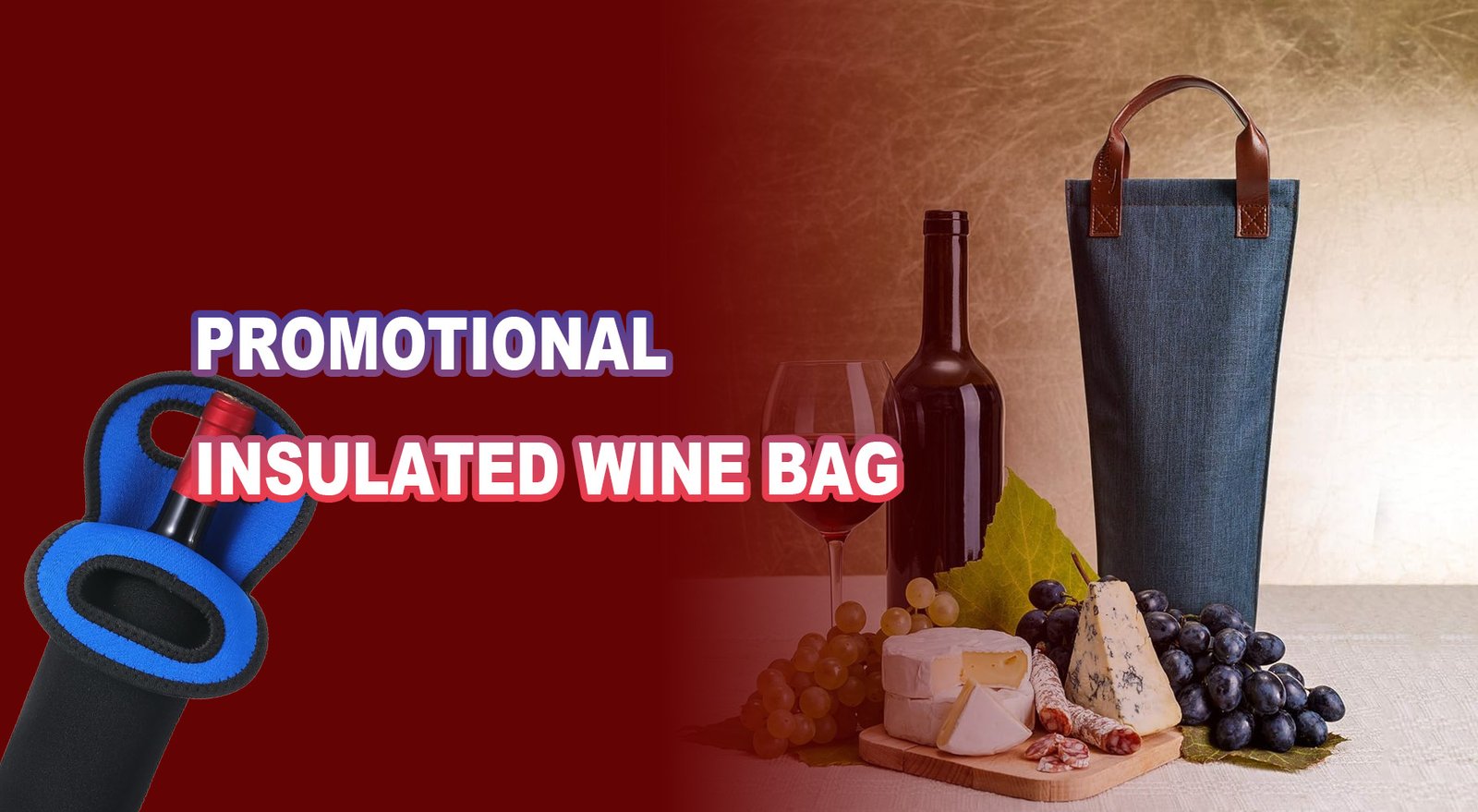
I have handled many inquiries where a buyer starts with, “Can you send me your best price?” I understand that. Cost matters. But I have also seen what happens next. A standard bag gets quoted fast. Then the bottle shape is different. The handle feels weak. The lining is not right. The logo area is too small. In the end, the project slows down. The real work starts after the first quote. That is why I always pull the discussion back to use, fit, and brand feeling before I talk about unit price for too long.
What Are Insulated Wine and Beverage Carrier Bags?
A promotion can look cheap very fast when the bag feels thin, fits badly, or fails to keep drinks reasonably cool during normal use1. I have seen that hurt the whole campaign.
Insulated wine and beverage carrier bags are portable bags made to carry bottles or cans with some temperature protection for short-term use2. They are mainly used for gifting, events, retail promotions, picnics, and brand presentation, not for long cold-chain storage3.
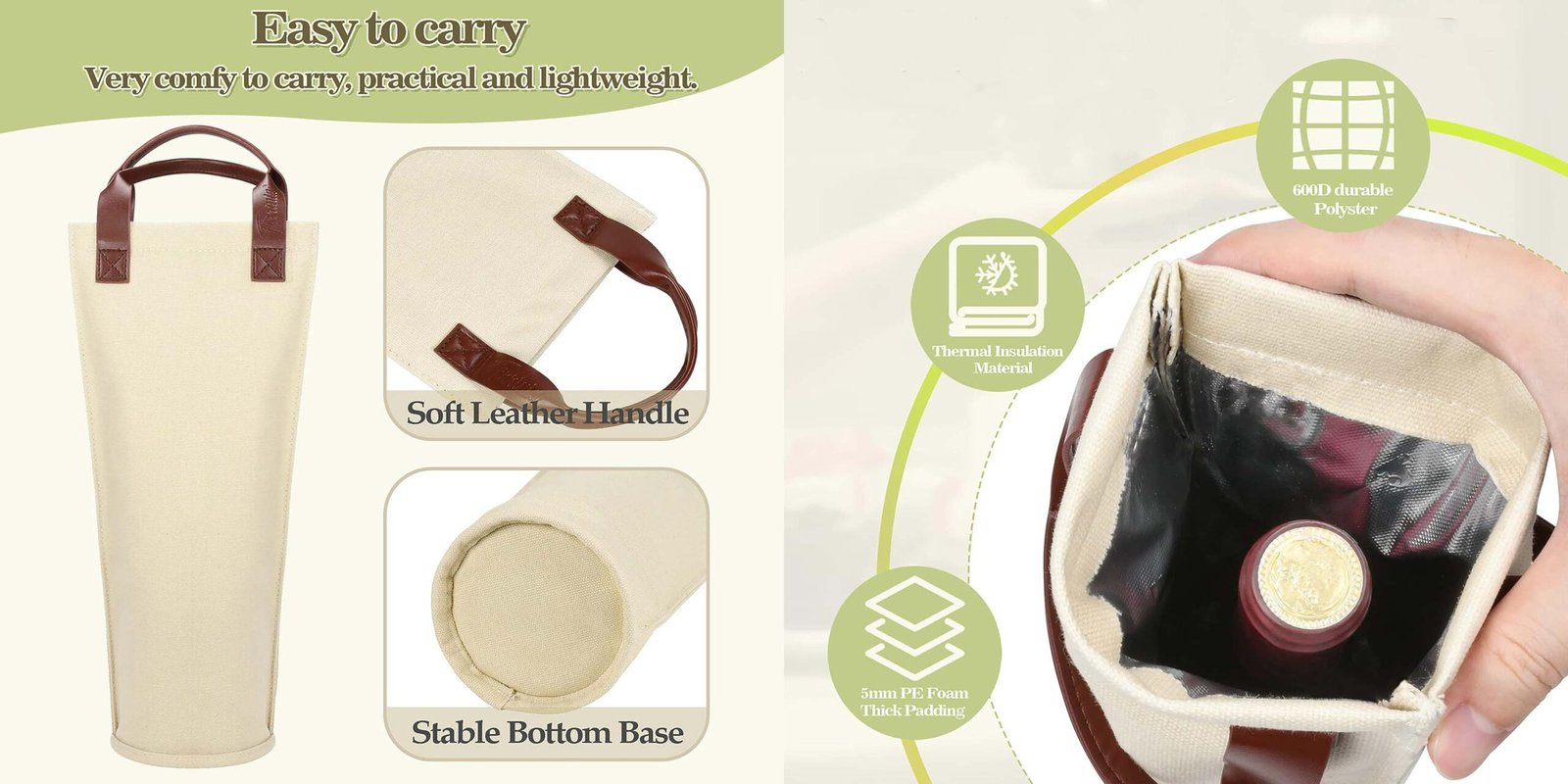
When I explain these bags to buyers, I keep one point very clear. “Insulated” does not mean the same thing as a heavy-duty cooler box4. In most promotional projects, the goal is practical cooling support, easy carrying, and a better brand image. The bag should help a bottle stay cooler for a while during transport or event use5. It should also make the gift or purchase feel more complete.
I often see buyers imagine a very small wine tote can perform like professional outdoor cooling gear. That expectation causes trouble. A better way is to match the bag to the real use case. Is it for a supermarket gift-with-purchase? Is it for a winery event? Is it for a holiday campaign? Is it for a corporate gift set?
I usually break the product role into four parts:
| Focus area | What I check | Why it matters |
|---|---|---|
| Bottle fit | Height, base width, neck shape | A poor fit makes the bag look careless |
| Short-term insulation | Foam thickness, lining, closure | Helps with practical event use |
| Carry comfort | Handle length, structure, weight balance | A bag must feel easy to carry |
| Brand look | Material, print, color, finish | The bag represents the promotion |
I have learned that buyers get better results when they treat the bag as part of the campaign experience, not just packaging. A good insulated wine bag carries the bottle, supports short use, and makes the promotion feel thought through.
How Many Bottles Should a Beverage Cooler Bag Hold?
A bag that holds the wrong number of bottles can feel bulky, unstable, or wasteful. I have seen nice-looking artwork fail because the format did not match real use.
The right bottle capacity depends on the product being packed, the event setting, and the user’s carry comfort. I usually start with one-bottle, two-bottle, four-bottle, or six-can formats, then confirm exact bottle size and weight before quoting.
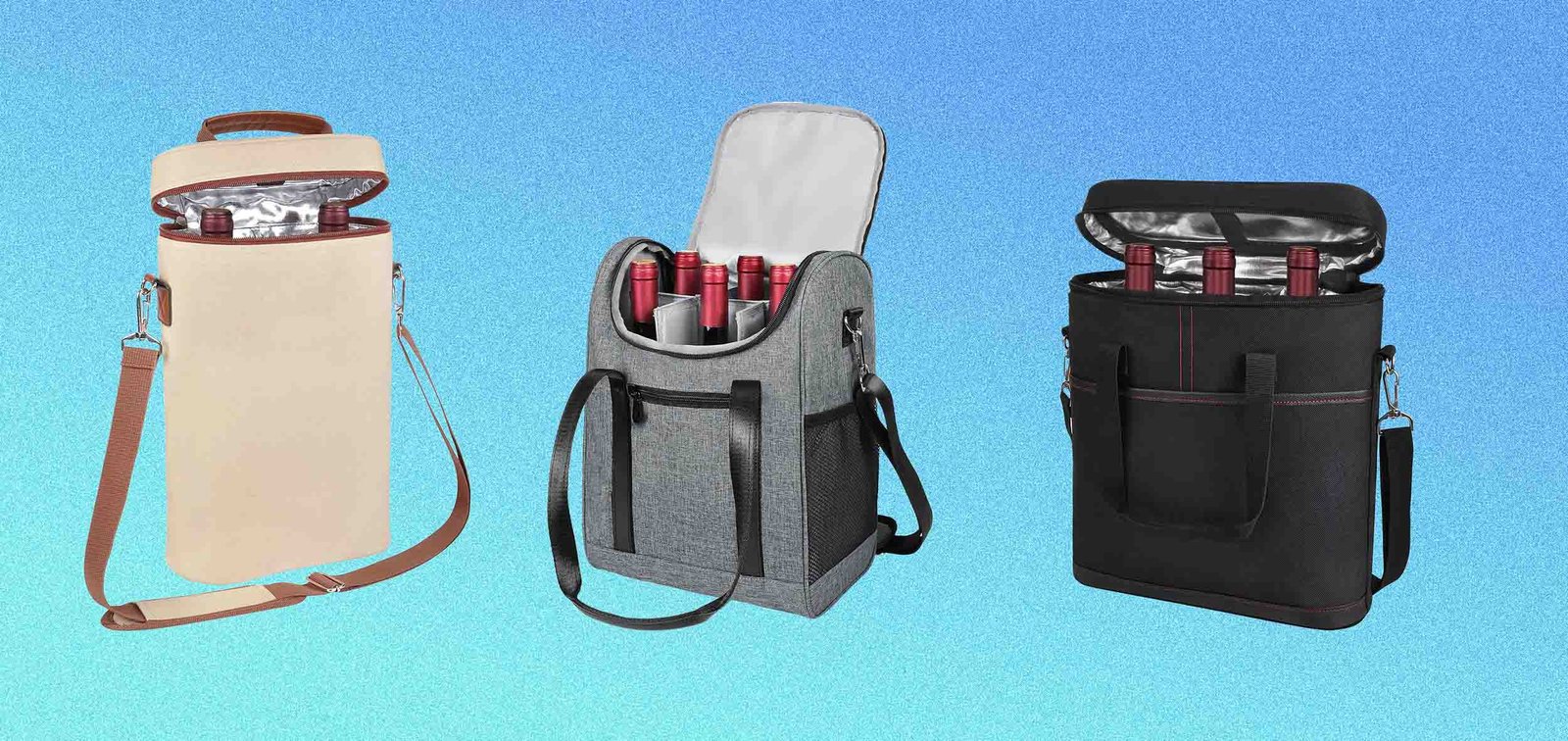
This is one of the first things I ask, even before I discuss logo details. A buyer may say, “I need an insulated wine bag.” My next question is simple: “How many bottles, and what bottle?” That changes almost everything. A single-bottle bag for a wine gift event is very different from a two-bottle tote for holiday retail, and both are very different from a beverage cooler made for canned drinks.
I have seen buyers choose a two-bottle structure because it looks more valuable. Then they realize the final user will carry it on foot at an outdoor event. A heavier bag becomes less convenient6. In that case, one bottle may work better for user experience and brand impression.
I usually compare capacity like this:
| Capacity | Best use | Main benefit | Main risk |
|---|---|---|---|
| 1 bottle | Gift events, winery promos, premium branding | Light, neat, strong presentation | Limited value perception for some campaigns |
| 2 bottles | Holiday offers, retail bundles | Good balance of value and portability | Needs strong divider and handle |
| 4 bottles | Family use, supermarket promotions | Bigger practical use | Can feel heavy and bulky |
| 6 cans / small bottles | Beverage sampling, picnic use | Flexible and easy for casual use | Not ideal for premium wine image |
I also ask about bottle shape. A tall Bordeaux bottle, a wider Burgundy bottle, and a sparkling wine bottle do not behave the same inside one pattern7. If the bottle moves too much, the bag feels sloppy. If the fit is too tight, packing becomes annoying. In my experience, good capacity planning is less about the biggest number and more about balanced use.
Which Linings Are Suitable for Cold Drinks and Wine?
Many buyers hear “insulated lining” and assume all linings perform the same. That is not true, and the wrong lining can make the bag feel cheap or impractical.
Suitable linings for cold drinks and wine usually include aluminum foil lamination, PEVA, or easy-clean thermal layers paired with foam padding8. I choose based on cooling need, budget, leak resistance, cleaning ease, and the brand’s target quality level.
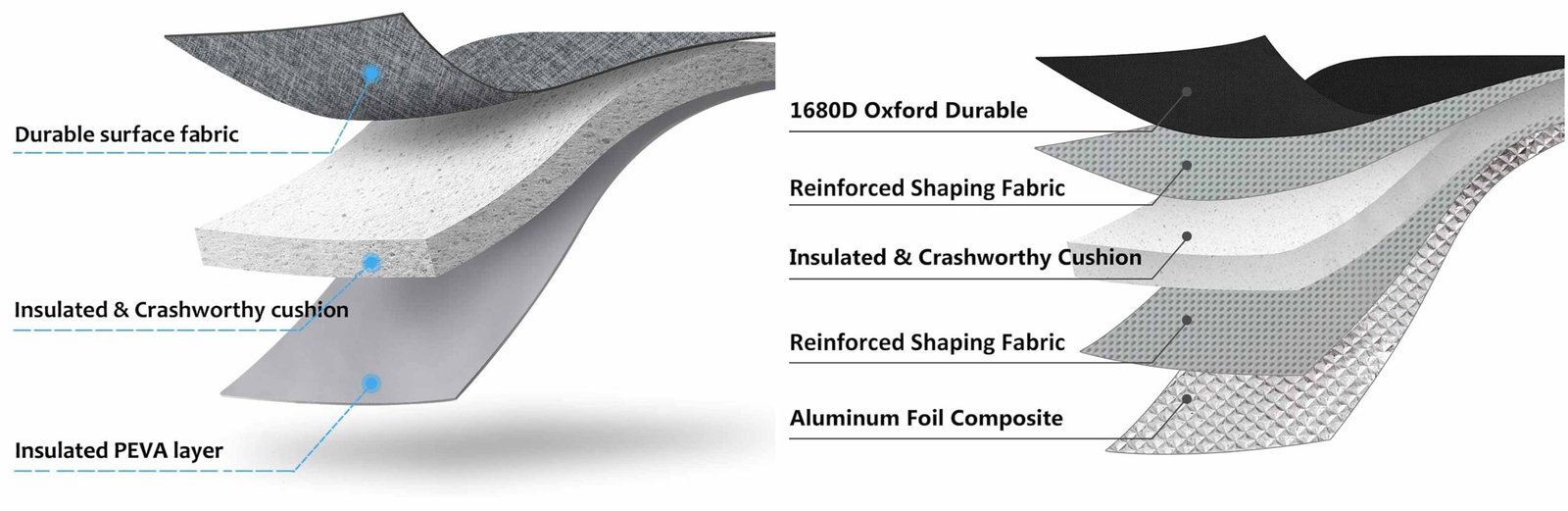
I often see buyers focus on outer material first because that is what they can see in catalog photos. But inside material affects actual use more than many people expect. If the lining tears easily, traps moisture, or looks wrinkled and weak, the user notices it fast. That hurts the promotion.
For most promotional wine bags, I explain that the lining should support short-term cold retention and neat presentation. It does not need to act like industrial cold storage. The best lining depends on what the customer will actually do with the bag. Will they carry one bottle home from a store? Will they bring drinks to an event? Will the bag be reused many times?
Here is how I usually review lining choices:
| Lining type | Typical use | Strength | Limitation |
|---|---|---|---|
| Aluminum foil laminated lining | Standard promo cooler bags | Good thermal effect, common, cost-friendly | Can crease, less premium feel in some designs |
| PEVA lining | Reusable beverage bags | Better softness, easy cleaning, decent look | Cost may be higher than basic options |
| Thermal fabric with foam | Better brand projects | More structured feel, nicer finish | Needs design control and cost review |
| Leak-resistant lining with sealed support | Ice packs or wet use | Better practicality | Not always needed for wine promotions |
I also check the foam layer. The lining alone is not the whole story. Foam thickness supports insulation and shape9. If the bag is too soft, the bottle may lean or swing. If the bag is too stiff, folding and shipping become harder. In real sourcing work, I aim for a practical middle point. I want the bag to feel reliable, clean, and right for the campaign budget.
How Can Brands Customize Beverage Cooler Bags?
A bag with a logo is not always a good brand tool. If size, shape, and material are wrong, the logo only makes the problem more visible.
Brands can customize beverage cooler bags through size, bottle compartments, material, lining, closure, handle style, color, print method, label details, and packaging. I always match these choices to the event scene and the brand feeling the buyer wants to create.
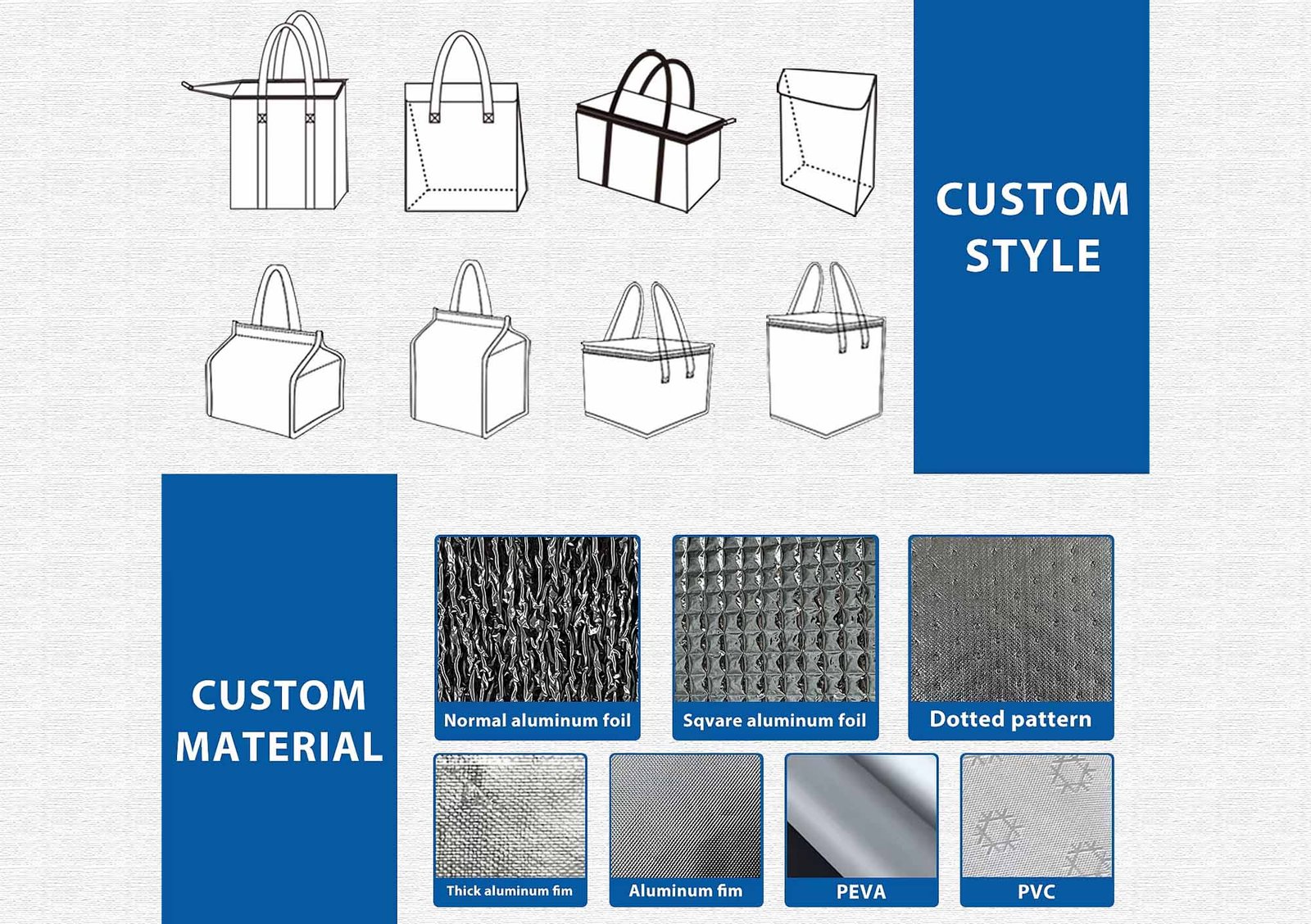
This is the part many buyers enjoy most. They want to discuss Pantone colors10, logo size, and finishing details. I like that too. But I usually slow the process down a little. I ask what the bag needs to say about the brand. Is it meant to feel eco-friendly? Premium? Practical? Youthful? Corporate? A good design answer starts there.
I remember one type of inquiry I get often. A buyer sends a logo and asks for a quote on a stock wine bag. Then I ask for bottle size and event use. Later we find the bottle is taller than the standard pattern, and the desired print area is partly blocked by the handle seam. That is a very common issue. It is why I prefer input-based discussion, not only catalog browsing.
The main customization points I review are below:
| Custom item | Choices I often discuss | Effect on project |
|---|---|---|
| Outer material | Non-woven, polyester, canvas, RPET11 | Changes cost, look, and eco message |
| Structure | 1 bottle, 2 bottle, divider, zipper top | Changes fit and carrying use |
| Handle | Webbing handle, shoulder strap, reinforced grip | Changes comfort and load support |
| Branding | Silk print, heat transfer, woven label, embroidery | Changes logo impact and cost |
| Closure | Open top, zipper, Velcro, flap | Changes insulation and convenience |
| Added details | Front pocket, gift tag, hangtag, insert card | Adds campaign value |
I have learned that the best customized bag is not the one with the most features. It is the one where all details support one clear use. When the shape, material, logo, and carry feeling all match, the bag feels intentional. That is what buyers should aim for.
What Should Buyers Test Before Bulk Orders?
A bulk order can go wrong even when the sample looks fine in photos. I have seen problems appear only when a real bottle goes inside and someone actually carries the bag.
Before bulk orders, I test bottle fit, handle strength, divider stability, lining finish, print quality, zipper or closure function, and real-use carrying comfort. I also check whether the insulation claim matches short-term promotional use, not unrealistic long-duration cooling expectations12.
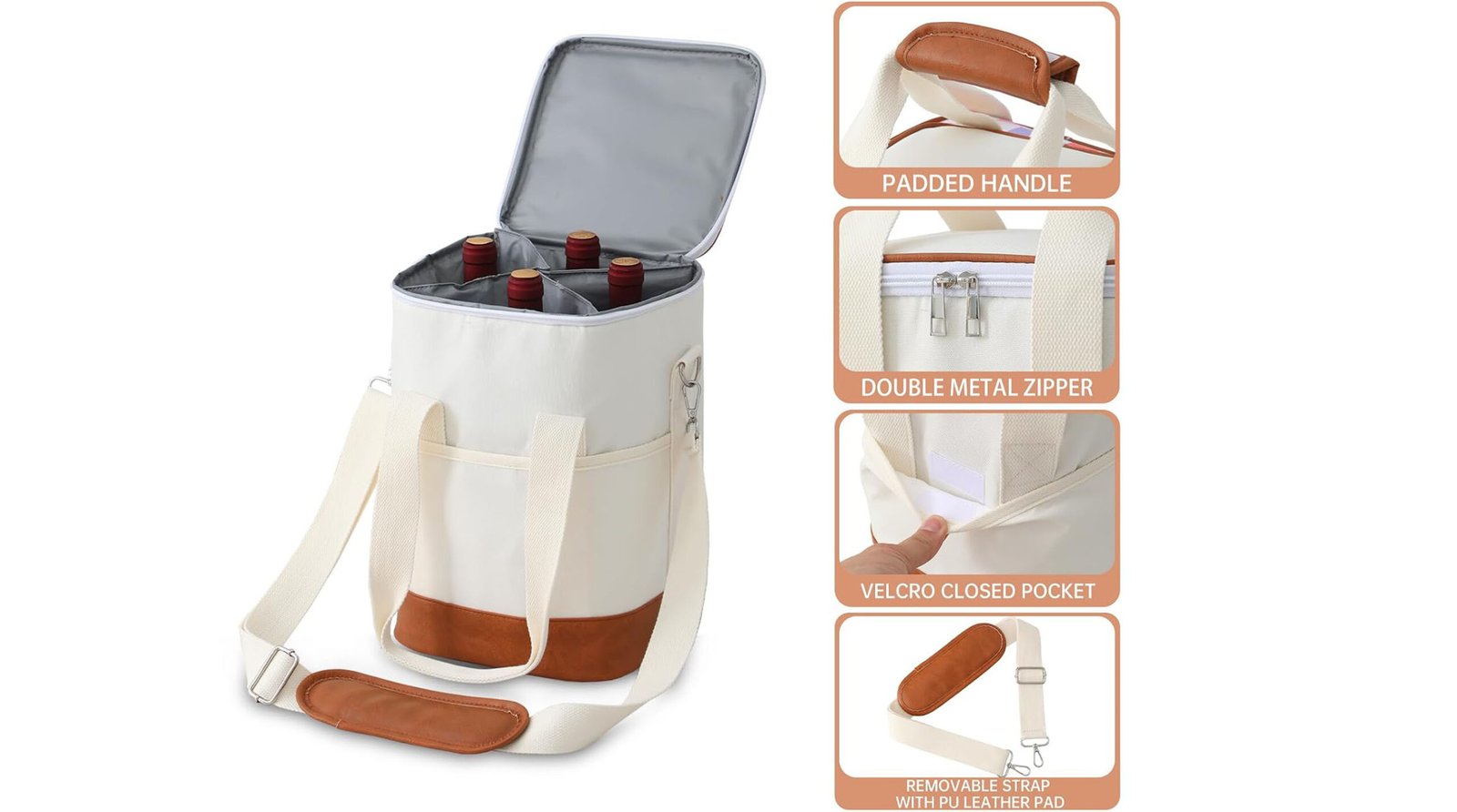
This is the part I never want buyers to skip. A sample is not just for color approval. It is for use approval. I tell customers to put the real bottle inside. Not a similar bottle. The real one. Then carry it the way an end user will carry it. Walk with it. Lift it by the handle. Open and close it several times. If there is a divider, remove and reinsert the bottle. These simple actions reveal most of the hidden problems.
In my experience, the biggest failures are often basic. The bottle neck sits too high. The base is too loose. The zipper catches on the lining. The handle feels off-center. The logo looks fine on a flat bag but bends badly when filled. None of these issues are dramatic in a photo, but all of them matter in actual promotion use.
I suggest this sample test checklist:
| Test point | What I do | What I want to confirm |
|---|---|---|
| Bottle fit test | Use the exact bottle | Correct height, width, and easy packing |
| Carry test | Lift and walk with full load | Balanced weight and handle comfort |
| Lining check | Inspect seams and touch finish | Clean work and no weak points |
| Closure test | Open and close several times | Smooth use and reliable function |
| Print test | Check after filling the bag | Logo stays visible and neat |
| Basic cooling test | Use chilled bottle for short period | Practical insulation for event use |
I also ask buyers to confirm the packaging plan before bulk production. A well-made bag can still arrive in poor shape if the packing method is wrong. For B2B orders, that matters. I want the buyer to receive goods that are ready for distribution, not goods that need extra fixing. Good testing protects cost, delivery, and brand reputation at the same time.
Conclusion
I choose insulated wine bags by starting with bottle, use, and brand goal first. Then I test fit, lining, and comfort. That is how promotions work better and avoid easy mistakes.
"Cooler - Wikipedia", https://en.wikipedia.org/wiki/Cooler. Studies and technical references on insulated containers indicate that soft-sided bags can slow heat gain for short periods but generally provide less temperature retention than rigid coolers, with effectiveness influenced by insulation thickness, sealing, and use conditions. Evidence role: mechanism; source type: research. Supports: Soft-sided insulated bags provide limited, short-duration temperature control compared with rigid coolers, and performance depends on insulation thickness, closure, and ambient conditions.. Scope note: This evidence is contextual rather than a direct test of the specific wine bag designs discussed in the article. ↩
"Thermal bag", https://en.wikipedia.org/wiki/Thermal_bag. Reference descriptions of cooler bags define them as portable insulated containers designed to slow temperature change during transport rather than to provide active refrigeration or long-term storage. Evidence role: definition; source type: encyclopedia. Supports: A cooler bag is a portable insulated container used to reduce temperature change during transport for a limited period.. ↩
"[PDF] Vaccine Storage and Handling Toolkit - January 2023 - CDC", https://www.cdc.gov/vaccines/hcp/downloads/storage-handling-toolkit.pdf. International and public-health guidance defines the cold chain as a continuously temperature-controlled and monitored distribution system, indicating that simple passive carrier bags are not equivalent to cold-chain storage or transport equipment. Evidence role: definition; source type: institution. Supports: Cold chain refers to a continuously temperature-controlled supply process requiring monitored conditions that differ from casual short-term transport in simple insulated bags.. Scope note: The source establishes the standard for cold-chain systems rather than testing the specific bags described here. ↩
"Thermal bag", https://en.wikipedia.org/wiki/Thermal_bag. Technical comparisons of insulated containers show that rigid cooler boxes generally achieve longer temperature retention than soft-sided insulated bags because of thicker insulation and more sealed construction. Evidence role: general_support; source type: research. Supports: Soft insulated bags and rigid cooler boxes differ in insulation structure and expected temperature-retention performance.. Scope note: Performance varies by design and test conditions, so the evidence supports the general distinction rather than every individual product. ↩
"Transportation of perishable and refrigerated foods in mylar ...", https://researchwith.montclair.edu/en/publications/transportation-of-perishable-and-refrigerated-foods-in-mylar-foil/. Experimental studies of insulated carriers report that passive insulating layers reduce heat transfer and can slow the warming of chilled contents during short transport intervals relative to uninsulated carrying conditions. Evidence role: mechanism; source type: paper. Supports: Passive insulation can reduce the rate of temperature increase of chilled contents during transport over short periods.. Scope note: Such findings support the mechanism of short-term cooling retention but do not establish a universal duration for all bags and ambient temperatures. ↩
"[PDF] One-handed carrying among elderly and obese individuals", https://stacks.cdc.gov/view/cdc/211407/cdc_211407_DS1.pdf. Ergonomic load-carriage research shows that increases in carried weight are associated with higher perceived exertion and lower comfort, supporting the view that heavier beverage bags are less convenient for users on foot. Evidence role: mechanism; source type: research. Supports: Increasing carried load is associated with reduced comfort and greater perceived exertion during walking and manual carrying.. Scope note: Most ergonomics studies examine controlled carrying tasks rather than promotional wine bags specifically. ↩
"Wine bottle", https://en.wikipedia.org/wiki/Wine_bottle. Wine-education references describe Bordeaux, Burgundy, and sparkling-wine bottles as distinct standard forms with different shoulder profiles and typical dimensions, which can materially affect how they fit in a carrier. Evidence role: general_support; source type: education. Supports: Standard wine bottle styles such as Bordeaux, Burgundy, and sparkling-wine bottles differ in shape and often in diameter or height, affecting packaging fit.. Scope note: Bottle dimensions vary by producer and region, so category-level descriptions provide contextual rather than exact sizing for every bottle. ↩
"[PDF] Performance Comparison of Thermal Insulated Packaging Boxes ...", https://digitalcommons.calpoly.edu/cgi/viewcontent.cgi?article=1043&context=it_fac. Packaging and thermal-transport literature describes soft insulated bags as typically combining a wipe-clean polymer or foil-based inner layer with foam insulation, a structure that supports both reduced heat transfer and practical cleaning. Evidence role: mechanism; source type: research. Supports: Insulated soft bags commonly use polymer or foil-based inner linings combined with foam layers to reduce heat transfer and improve cleanability.. Scope note: The source would support the general construction approach rather than endorse specific commercial material grades. ↩
"Performance Comparison of Thermal Insulated Packaging ...", https://digitalcommons.calpoly.edu/cgi/viewcontent.cgi?article=1043&context=it_fac. Materials research on polymer foams shows that foam layers contribute thermal resistance by trapping air and that increasing foam thickness generally increases insulation while also influencing stiffness and form retention. Evidence role: mechanism; source type: paper. Supports: Foam layers increase thermal resistance, and thicker foams can also affect stiffness and shape retention in flexible products.. Scope note: Exact performance depends on foam density, cell structure, and bag construction, so the support is mechanistic rather than product-specific. ↩
"Pantone Matching System - Wikipedia", https://en.wikipedia.org/?title=Pantone_Matching_System&redirect=no. Standard reference works describe the Pantone Matching System as a standardized color specification system used in graphic design and printing to communicate consistent color targets. Evidence role: definition; source type: encyclopedia. Supports: Pantone refers to a standardized color-matching system widely used to specify colors in design and printing.. ↩
"PET bottle recycling - Wikipedia", https://en.wikipedia.org/wiki/PET_bottle_recycling. Government and educational materials define RPET as recycled polyethylene terephthalate, a polyester material manufactured from recovered PET feedstock such as used bottles and packaging. Evidence role: definition; source type: government. Supports: RPET denotes recycled polyethylene terephthalate, a polyester material produced from recycled PET feedstock.. Scope note: The definition supports the material identity but does not by itself verify environmental performance in a specific product application. ↩
"Keeping "Bag" Lunches Safe | Food Safety and Inspection ...", http://www.fsis.usda.gov/food-safety/safe-food-handling-and-preparation/food-safety-basics/keeping-bag-lunches-safe. Public-health and food-transport guidance treats insulated carriers as passive systems suitable for limited transport intervals and stresses that temperature retention depends on time, ambient conditions, and the use of chilled contents or ice packs. Evidence role: expert_consensus; source type: government. Supports: Public guidance on insulated transport emphasizes limited-duration temperature control and the need to manage expectations for passive containers.. Scope note: Such guidance is typically framed around food safety and transport practices, so its support is contextual rather than a direct performance certification for promotional wine bags. ↩