Many brands waste time on logos first. Then they face sample delays, higher cost1, and weak set design. I have seen this happen many times in real OEM gift set projects.
Brands should first customize the gift set’s use case, structure, sizes, and material plan. Logo, color, and fine visual details should come after those choices, because function, budget, MOQ, and lead time decide what really works2.
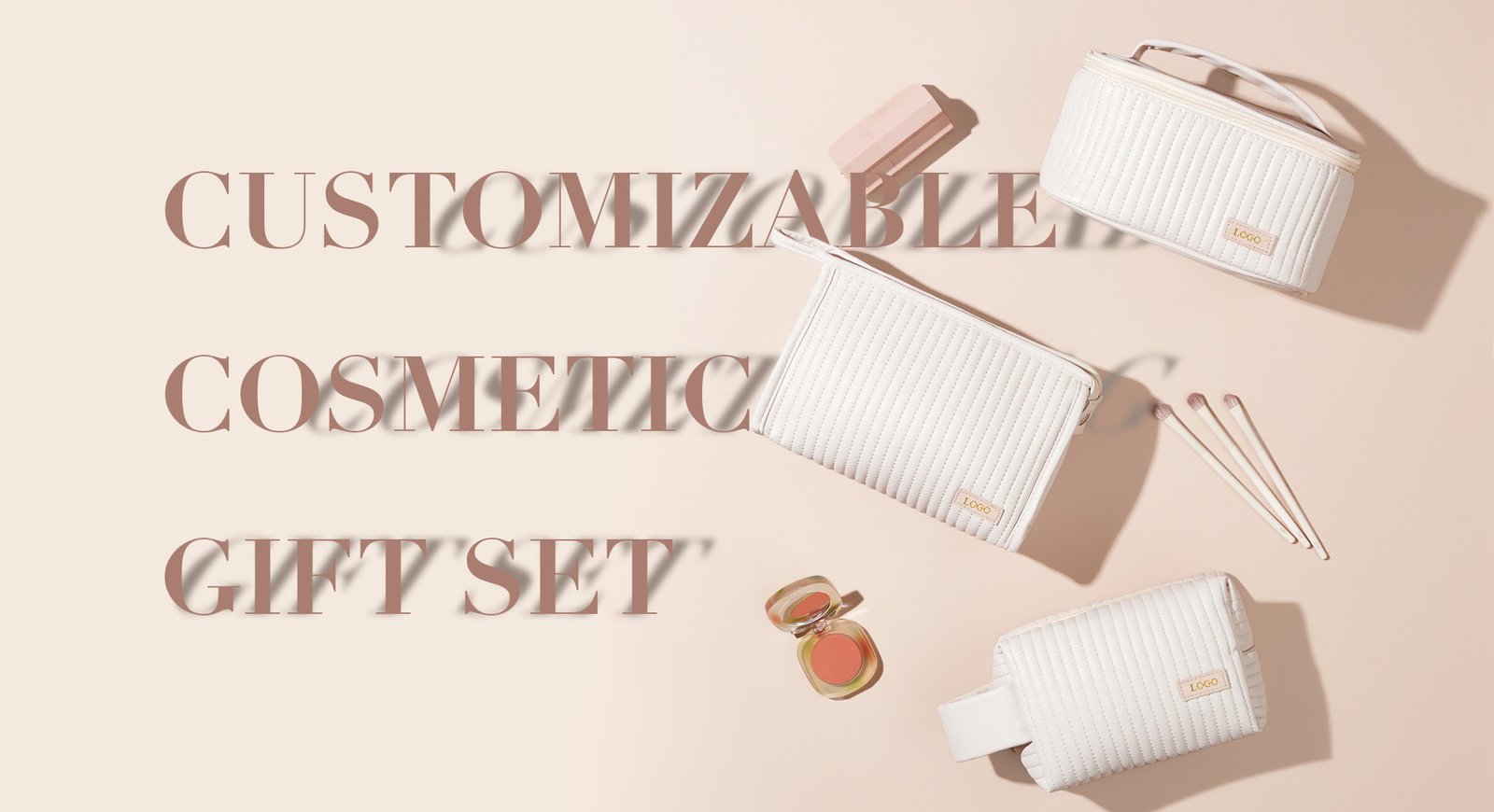
When I talk with buyers about makeup pouch gift sets, I notice one pattern again and again. Many buyers start with, “Can you print our logo?” I understand why. The logo is visible. It feels like the most brand-driven part. But in real sourcing work, that is rarely the best first question. I usually guide the discussion back to the set’s real job. Is this set for a retail launch? Is it a holiday promotion? Is it a gift-with-purchase? Is it for travel retail? Once I know that, I can help shape the right pouch mix and reduce risk before sampling gets too complicated.
Why Do Beauty Brands Use Makeup Pouch Gift Sets?
A beauty brand can lose impact if it treats a gift set like random items in one package. The result is often poor value, weak presentation, and slow sell-through3.
Beauty brands use makeup pouch gift sets to increase perceived value4, bundle products in a useful way, support promotions, and give buyers a reusable item that keeps the brand visible after purchase5.
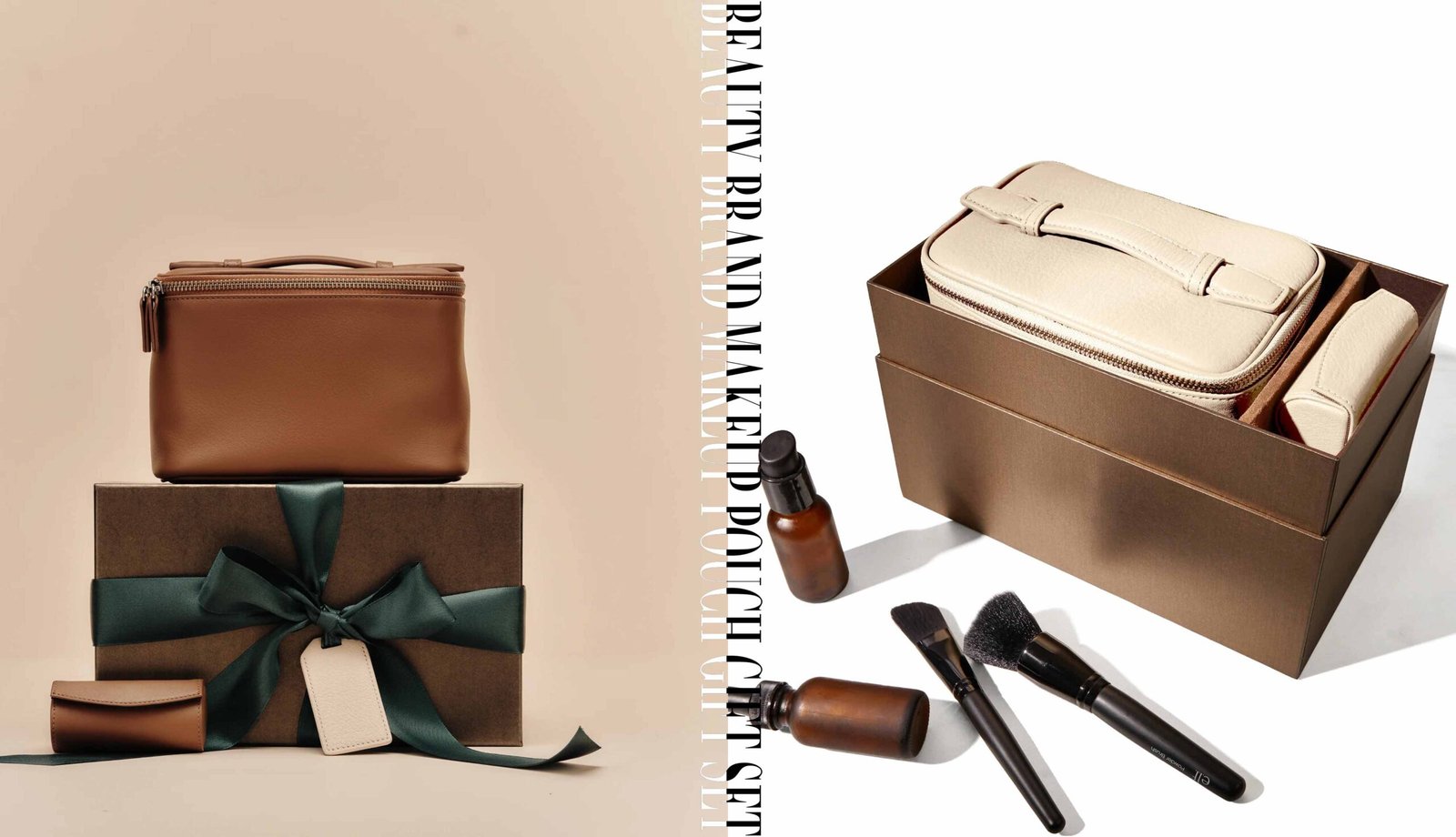
In my work, I have seen buyers use makeup pouch gift sets for very different goals. That is why I do not treat all gift sets the same. A promo giveaway set usually needs controlled cost, simple branding, and practical structure. A retail-ready set needs stronger visual coordination and a better unboxing feel. A travel bundle needs smart capacity and easy packing. A seasonal campaign set may need stronger color direction but still has to stay within delivery time.
I often ask buyers a few basic questions before we talk about print or zipper pulls. I ask where the set will be sold, what products go inside, how long the campaign runs, and what price target matters most. These answers change the whole pouch plan.
| Use case | Main goal | Best customization focus | Common risk |
|---|---|---|---|
| Promo giveaway | Low cost and wide reach | Simple structure, practical size, basic logo | Over-design raises cost |
| Retail gift set | Shelf appeal and value | Coordinated components, shape, material | Too many revisions |
| Travel bundle | Portability and storage | Size logic, compartments, easy-clean material | Wrong capacity |
| Seasonal campaign | Theme fit and speed | Color match, packaging fit, clear lead time | Delivery delay |
I have also learned that bundled sets create more pressure than a single pouch. If one pouch size changes, the insert card may change. If the color changes, all pieces may need rematching. If one item misses production timing, the whole set can slip. So the reason brands use these sets is not just to “add a bag.” The real reason is to create a stronger product story and a better buying experience. That only works when the set is built around use, not just decoration.
What Sizes Should Be Included in a Cosmetic Pouch Set?
A pouch set can fail if sizes look good on paper but do not fit real products. Then the set feels awkward, wasteful, and harder to sell.
The best cosmetic pouch set usually includes sizes based on product function: one main pouch for storage, one medium pouch for daily items, and one small pouch for mini products or tools.6
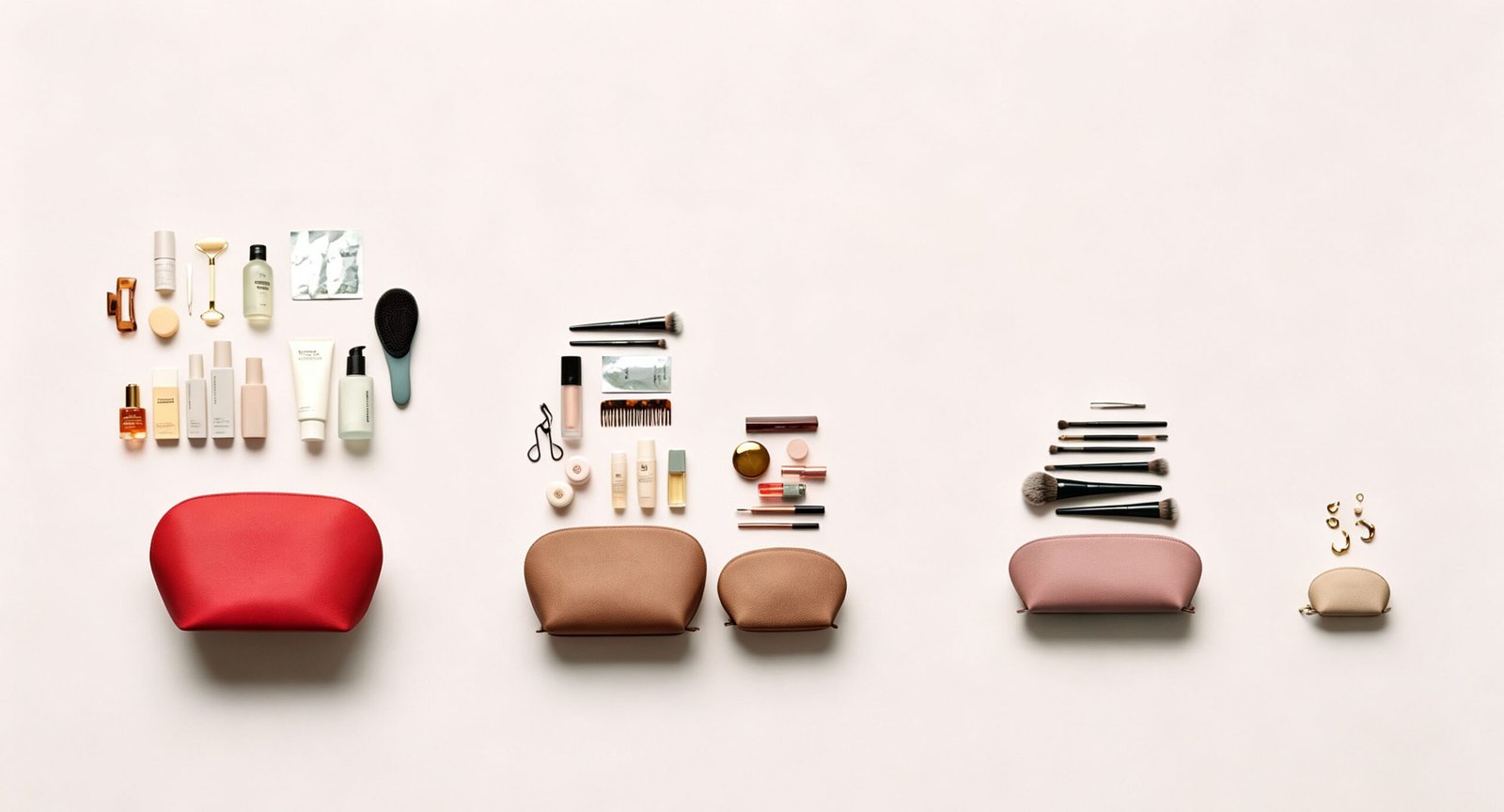
When buyers ask me what size a pouch set should be, I never give one fixed answer. I first ask what the pouch must hold. I ask for product dimensions if possible. I ask whether the pouch is for skincare bottles, makeup items, brushes, sample tubes, or mixed products. This is important because a pouch set is not just a visual family. It is a storage system.
In real projects, the most useful sets usually follow a simple logic. The large pouch holds the main group of products. The medium pouch supports daily carry or category separation. The small pouch holds tools, minis, or items that get lost easily. If the sizes are too close, the buyer gets little added value. If the size gap is too wide, one piece may feel unnecessary.
Here is a simple way I often think about it:
| Pouch type | Typical role | Good for | Risk if wrong |
|---|---|---|---|
| Large pouch | Main storage | Full-size skincare or travel set | Too bulky or too flat |
| Medium pouch | Daily use | Makeup basics, touch-up items | Overlaps with large pouch |
| Small pouch | Small-item control | Lipsticks, brushes, accessories | Feels too tiny to use |
I have also seen many sample rounds where the first revision is not the logo. It is the size. A buyer may say the pouch looks nice but cannot fit the cleanser upright. Or the zipper opening is too narrow for bottles. Or the set looks good online but feels too large for a gift-with-purchase campaign. These are not small issues. They affect cost, material usage, carton packing, and shipping.
That is why I tell buyers to confirm capacity before visual details. If possible, test the pouch around the real products. Even a simple fit check can prevent a costly remake. In my experience, size is one of the highest-impact customization choices7 in any makeup pouch gift set.
Which Materials Make Makeup Pouches Easy to Clean?
A pouch can look premium at first but disappoint fast if stains stay on the surface. That leads to complaints, lower repeat orders, and weak brand perception.
Easy-to-clean makeup pouch materials usually include coated fabrics, PU, TPU, and wipeable linings.8 The best choice depends on budget, brand image, product leakage risk, and target market expectations.
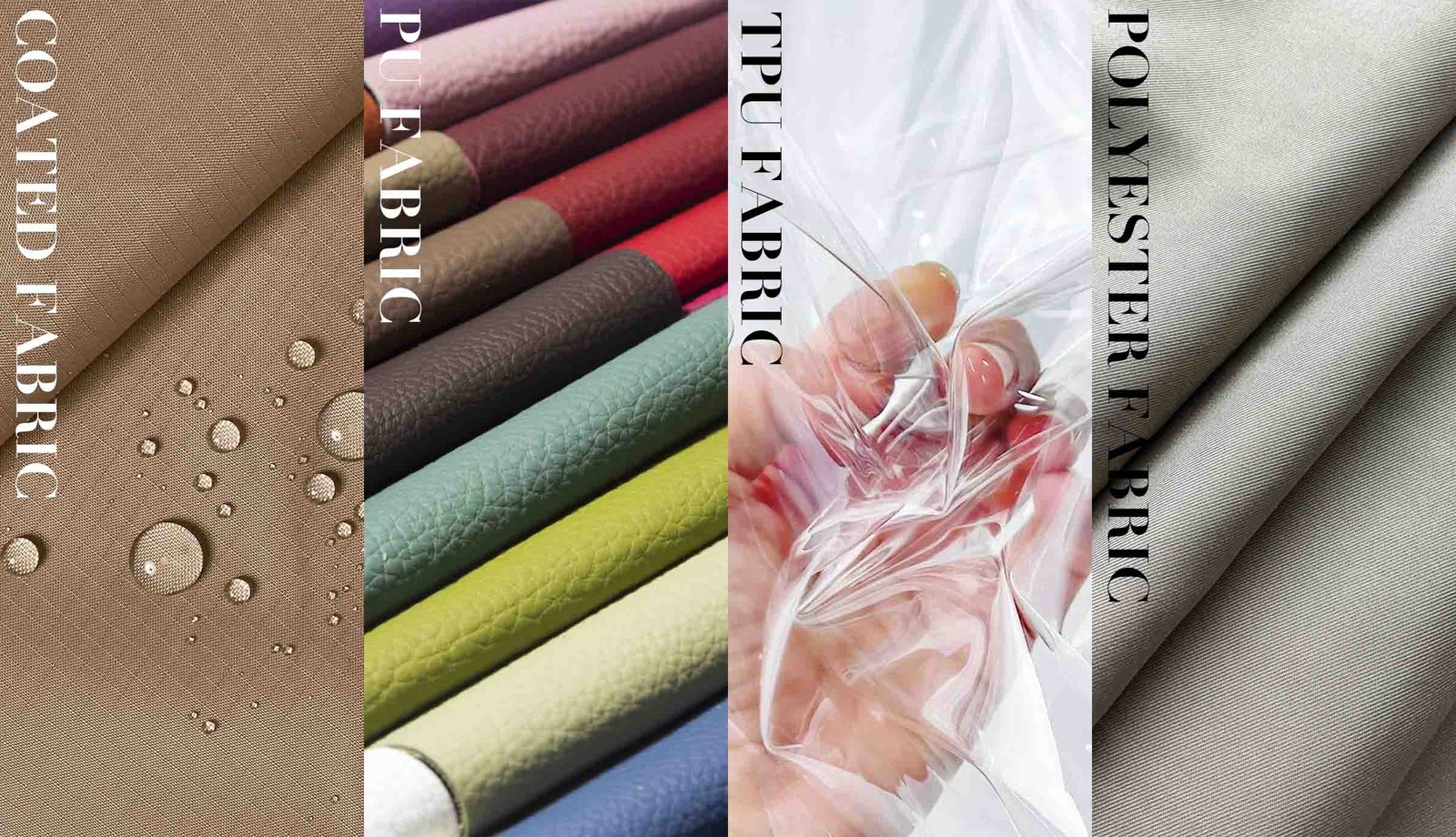
Material choice is one area where buyers often need practical guidance. I say this because many buyers focus first on how the pouch looks in photos. I understand that. But makeup pouches deal with powder, liquid, oil, and daily handling9. If the material is hard to wipe, the pouch may not stay attractive for long.
In many OEM discussions, I guide buyers toward thinking about both outer material and inner lining. A pouch may have a nice outside but still fail if the lining traps spills. For basic promotional sets, a wipeable coated fabric can work well and keep cost in control. For a more premium retail feel, PU may give a smoother look. For a cleaner, more modern feel, TPU or transparent elements may fit the concept. Still, every choice has tradeoffs.
| Material | Main benefit | Main concern | Best fit |
|---|---|---|---|
| Coated fabric | Good wipeability, cost control | May feel less premium | Promo and volume orders |
| PU | Smooth look, broad color options | Surface wear can vary by quality | Retail and gifting |
| TPU | Easy to wipe, modern look | Can show scratches or marks | Travel and visible sets |
| Polyester with wipeable lining | Budget-friendly structure | Outer surface may stain more easily | Entry-level sets |
I also remind buyers that “easy to clean” is not the same as “all-proof.” Material performance depends on the stain type, the coating level, and user habits. I do not position myself as a lab authority. I speak from sourcing and production experience. I know which materials buyers ask for, which surfaces create complaints, and which lining choices reduce trouble.
In several projects, the biggest improvement came from very simple changes. We switched a soft absorbent lining to a wipeable one. We adjusted the pouch opening to help cleaning. We avoided light colors for leak-prone products. These are not glamorous changes, but they help the pouch perform better in daily use.
How Can Brands Customize Colors and Logos?
Brands often spend too much energy on visual details too early. Then sampling gets slower10, consistency gets harder, and the set still may not meet the campaign goal.
Brands should customize colors and logos only after the set structure, size plan, and materials are fixed. The best logo and color method is the one that matches the budget, material, MOQ, and delivery schedule.11
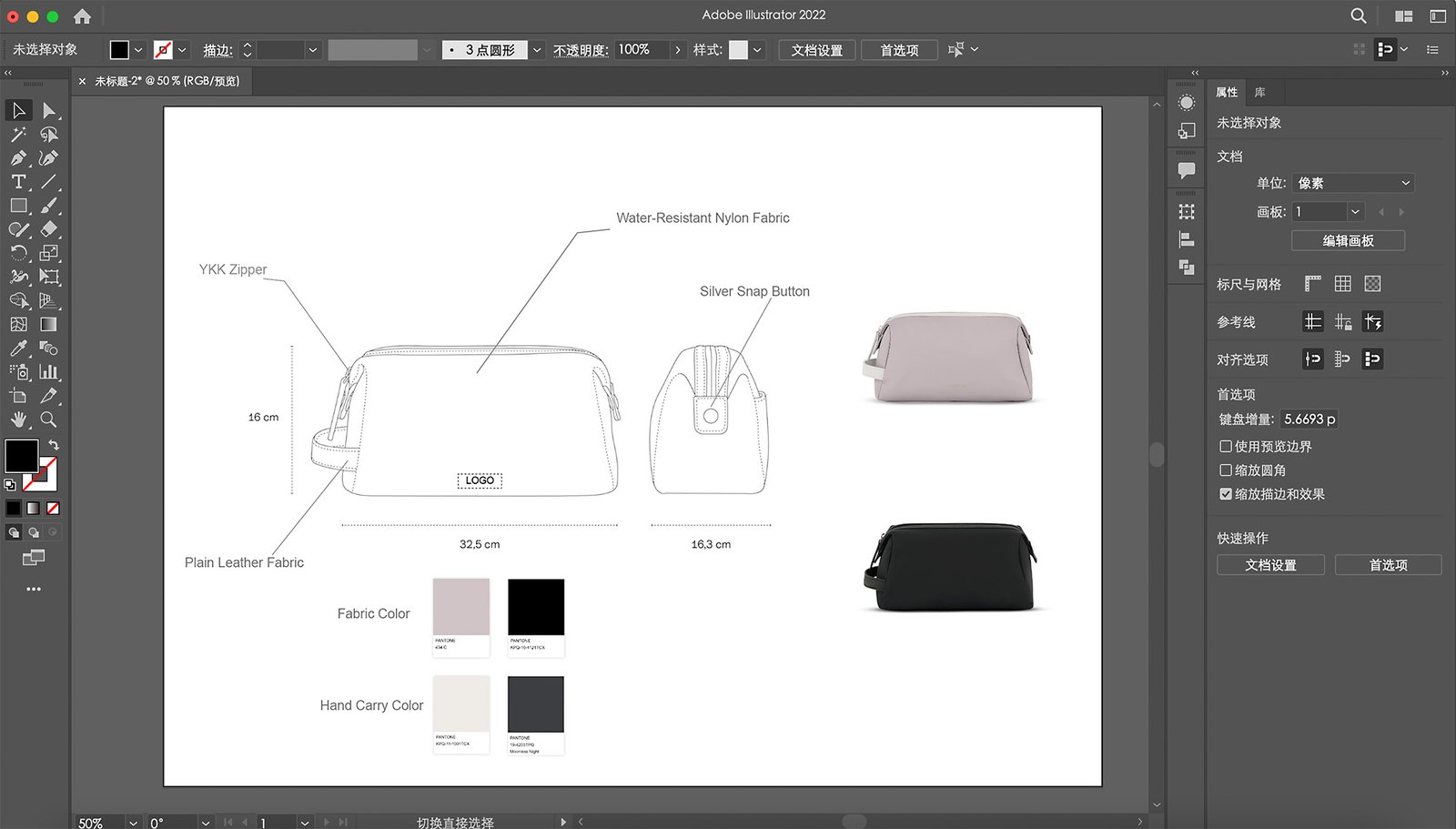
I work on many buyer inquiries where the first request is exact color match and logo placement. I understand the reason. Brand teams care about identity. Still, I have learned that visual customization works best when the base product is already stable. If the pouch size changes later, logo scale may need to change. If the material changes, print effect may change. If the zipper tape color changes, the whole visual balance may change too.
That is why I tell buyers to lock down the structure first. Then we can choose the right branding method. In practice, not every logo method fits every material or order quantity. A clean screen print may suit one project. A metal plate may fit another. Embossing may look strong on some PU surfaces but not on others. The right choice depends on real production conditions, not just design preference.
| Custom element | Good option | Works best when | Common issue |
|---|---|---|---|
| Body color | Stock or custom dyed material | Color is central to campaign | Custom color may affect MOQ |
| Logo print | Screen print or heat transfer | Artwork is simple and clear | Position shifts on soft surfaces |
| Metal logo plate | Fixed hardware branding | Premium look matters | Adds cost and assembly steps |
| Emboss/deboss | Surface texture branding | Material supports pressure effect | Not all materials show clearly |
I have seen over-customization create avoidable problems. A buyer may want a custom body color, custom lining print, logo zipper pull, logo plate, contrast edge paint, and custom packaging all in one low-volume order. It sounds exciting at first. Then the cost rises, the sampling cycle gets longer, and approval becomes harder. In some cases, the set does not become more effective. It just becomes more difficult.
So I always bring the conversation back to priority. If the buyer’s goal is broad promotional reach, simple and clear branding may be best. If the goal is retail impact, maybe two or three coordinated visual features are enough. Good customization is not about adding every possible detail. It is about choosing the details that support the real job of the set.
What Should Buyers Confirm Before Ordering Gift Set Pouches?
Buyers can run into expensive problems if they approve too fast. Small missing details often turn into quality issues, delays, or packaging mismatch later12.
Before ordering gift set pouches, buyers should confirm use case, sizes, materials, component consistency, logo method, packaging, MOQ, lead time, and sample approval standards across the full set.

This is the part where I often see the biggest difference between smooth orders and painful ones. In a single pouch order, there are already many details to control. In a gift set, every detail multiplies. There are more components, more matching points, and more chances for one small change to affect the whole result.
When I support a buyer on a makeup pouch gift set, I try to confirm the project in layers. First, I confirm the use case and target budget. Then I confirm the exact components in the set. Then I check dimensions, material direction, and branding method. After that, I ask about packaging and shipping requirements. This order matters because it keeps us from making visual decisions before we know if the structure is feasible.
Here is a practical confirmation table I like to keep in mind:
| Item to confirm | Why it matters | What can go wrong |
|---|---|---|
| Set purpose | Defines all later choices | Wrong design direction |
| Piece count and structure | Affects cost and coordination | Inconsistent set value |
| Product fit and pouch size | Ensures actual usability | Items do not fit |
| Material and lining | Affects cleanability and feel | More complaints |
| Logo method and placement | Affects branding result | Rework in sampling |
| MOQ and price range | Keeps plan realistic | Budget mismatch |
| Lead time | Protects campaign schedule | Late delivery |
| Packaging details | Affects presentation and packing | Carton or insert problems |
I also advise buyers to define what “approved sample” means. This sounds simple, but it matters a lot. Does approval cover color tolerance? Does it cover logo position? Does it cover zipper smoothness? Does it cover set packing order? If these points are vague, trouble can show up in bulk production.
From my own OEM experience, the most common production risks are not dramatic ones. They are small mismatches that build up. A medium pouch may be slightly off shade from the large pouch. A metal logo may arrive later than expected. A nice-looking insert may not fit final pouch dimensions. These are exactly the issues buyers can reduce by confirming the full set clearly before placing the order.
Conclusion
Brands should customize makeup pouch gift sets by starting with function, structure, size, and material first. Then they should add branding details that fit the budget, MOQ, and delivery plan.
"Why Focusing on Lead Time, Not Just Efficiency and Cost ...", https://interpro.wisc.edu/lead-time-drives-manufacturing-success/. Manufacturing and product-development research reports that late design changes and poorly frozen specifications can increase production cost, create rework, and delay schedules, which supports the article’s claim that prioritizing visual details before core specifications can raise project cost. Evidence role: mechanism; source type: research. Supports: Evidence should show that late-stage design changes and unstable specifications increase production cost and schedule risk.. Scope note: This evidence is typically drawn from general manufacturing and product-development contexts rather than makeup pouch gift sets specifically. ↩
"[PDF] Raw Material Minimum Order Quantity Optimization - DSpace@MIT", https://dspace.mit.edu/bitstream/handle/1721.1/121302/1240293813-MIT.pdf?sequence=1. Operations and supply-chain literature commonly identifies cost targets, order volume, and lead time as core constraints on feasible product and process choices, supporting the article’s statement that functional and commercial requirements shape what customization is practical. Evidence role: general_support; source type: education. Supports: Evidence should explain that product design feasibility is constrained by cost targets, production scale, and delivery schedules.. Scope note: The support is conceptual and cross-industry, not a direct ranking of factors for every OEM gift set project. ↩
"The Impact of Visual Elements of Packaging Design on ... - PMC", https://pmc.ncbi.nlm.nih.gov/articles/PMC11851823/. Consumer and packaging studies generally find that package presentation influences shelf attention and purchase intention, which supports the article’s contention that weakly assembled gift sets may underperform at retail. Evidence role: mechanism; source type: paper. Supports: Evidence should show that packaging quality and presentation affect consumer attention, purchase intention, or sales performance.. Scope note: Such studies usually measure attention or purchase intention rather than direct sell-through in a specific beauty gift-set program. ↩
"The Dynamic Effects of Bundling as a Product Strategy", https://www.hbs.edu/ris/Publication%20Files/dynamicbundling_2013_06_20_13def9fb-1904-479a-8a37-fa64eff9663a.pdf. Marketing research on product bundling finds that combining items into a coordinated offer can increase perceived value and influence purchase evaluation, which supports the article’s claim that a pouch gift set may strengthen the offer beyond the individual products alone. Evidence role: mechanism; source type: paper. Supports: Evidence should show that product bundling or added utilitarian components can increase perceived value for consumers.. Scope note: Bundle effects vary by product category, consumer segment, and bundle composition, so the evidence is contextual rather than specific to all beauty pouch sets. ↩
""Promotional Product Brand Message Effectiveness: A Study ...", https://scholarsarchive.jwu.edu/jwu_etd/10/. Research on retained promotional items indicates that repeated use can increase ongoing brand exposure and recall, supporting the article’s claim that a reusable pouch may keep a brand visible after purchase. Evidence role: general_support; source type: research. Supports: Evidence should show that retained and repeatedly used branded items can create ongoing brand exposure or recall.. Scope note: Most available studies concern promotional products broadly, not makeup pouches specifically, and they do not prove the effect for every campaign. ↩
"A Human-Centered Design Methodology to Enhance the Usability ...", https://pmc.ncbi.nlm.nih.gov/articles/PMC5374275/. User-centered product-design research supports the principle that organizing carry items by function and scale can improve usability and retrieval, providing contextual support for the article’s suggested large-medium-small pouch logic. Evidence role: general_support; source type: research. Supports: Evidence should support the broader principle that organizing items by function and size improves usability in storage products.. Scope note: This evidence supports the organizational principle rather than proving that a three-piece cosmetic pouch set is universally the best option. ↩
"Packaging Design Elements and Users Perception", https://repository.rit.edu/cgi/viewcontent.cgi?article=1034&context=japr. Packaging and logistics research shows that product dimensions strongly influence material usage, packing efficiency, and transportation cost, which supports the article’s view that size is a high-impact design choice. Evidence role: mechanism; source type: paper. Supports: Evidence should show that product dimensions directly influence material consumption, packing efficiency, and transportation cost.. Scope note: The evidence addresses packaging and logistics generally, not a comparative ranking of all customization variables in every pouch project. ↩
"Development of Breathable Waterproof Polyurethane-Coated Cotton ...", https://pmc.ncbi.nlm.nih.gov/articles/PMC12509000/. Textile and polymer references commonly note that coated or low-porosity surfaces such as polyurethane- or TPU-based materials resist liquid penetration better than absorbent fabrics and are typically easier to wipe clean, supporting the article’s material guidance. Evidence role: mechanism; source type: education. Supports: Evidence should show that coated or nonporous polymer surfaces are generally more resistant to liquid penetration and easier to wipe clean than absorbent textiles.. Scope note: Actual cleanability depends on specific formulations, surface finishes, and stain types rather than the material label alone. ↩
"The dark side of beauty: an in-depth analysis of the health ...", https://pmc.ncbi.nlm.nih.gov/articles/PMC11381309/. Studies and consumer guidance on cosmetic storage note that beauty products frequently include powders, oils, creams, and liquids that can leak or leave residue during transport, supporting the article’s emphasis on easy-to-clean pouch materials. Evidence role: general_support; source type: research. Supports: Evidence should support that cosmetic products often involve powders, oils, and liquids and can create residue or leakage during storage and transport.. Scope note: This evidence establishes the usage context rather than measuring cleaning outcomes for specific pouch materials. ↩
"Design prototyping methods: state of the art in strategies ...", https://scholarworks.sjsu.edu/cgi/viewcontent.cgi?article=1015&context=mech_eng_pub. Research on product complexity and customization indicates that additional variants and specifications increase coordination effort and can lengthen development and production lead times, supporting the article’s statement that over-customization can slow sampling. Evidence role: mechanism; source type: paper. Supports: Evidence should show that greater product complexity or customization increases coordination burden and development lead time.. Scope note: The evidence is general to manufacturing and product development, not limited to OEM beauty accessories. ↩
"Material requirements planning with a novel lot sizing method ...", https://pmc.ncbi.nlm.nih.gov/articles/PMC12307884/. Design-for-manufacture and print-production references generally state that process choice depends on substrate compatibility, production volume, cost, and turnaround time, supporting the article’s claim that logo and color methods must fit practical production constraints. Evidence role: mechanism; source type: education. Supports: Evidence should explain that manufacturing or printing process selection depends on substrate compatibility, production volume, cost, and timing.. Scope note: The support is process-oriented and does not identify a single best branding method for all pouch materials or campaign types. ↩
"Quality management for the processing of medical devices", https://pmc.ncbi.nlm.nih.gov/articles/PMC2831254/. Quality-management and supply-chain research consistently finds that incomplete or ambiguous specifications contribute to defects, rework, and delivery delays, supporting the article’s claim that buyers should confirm key requirements before placing an order. Evidence role: mechanism; source type: research. Supports: Evidence should show that incomplete or unclear specifications increase the risk of defects, rework, and delivery problems in manufacturing projects.. Scope note: The evidence is indirect with respect to gift set pouches, but it addresses the underlying manufacturing-control mechanism. ↩