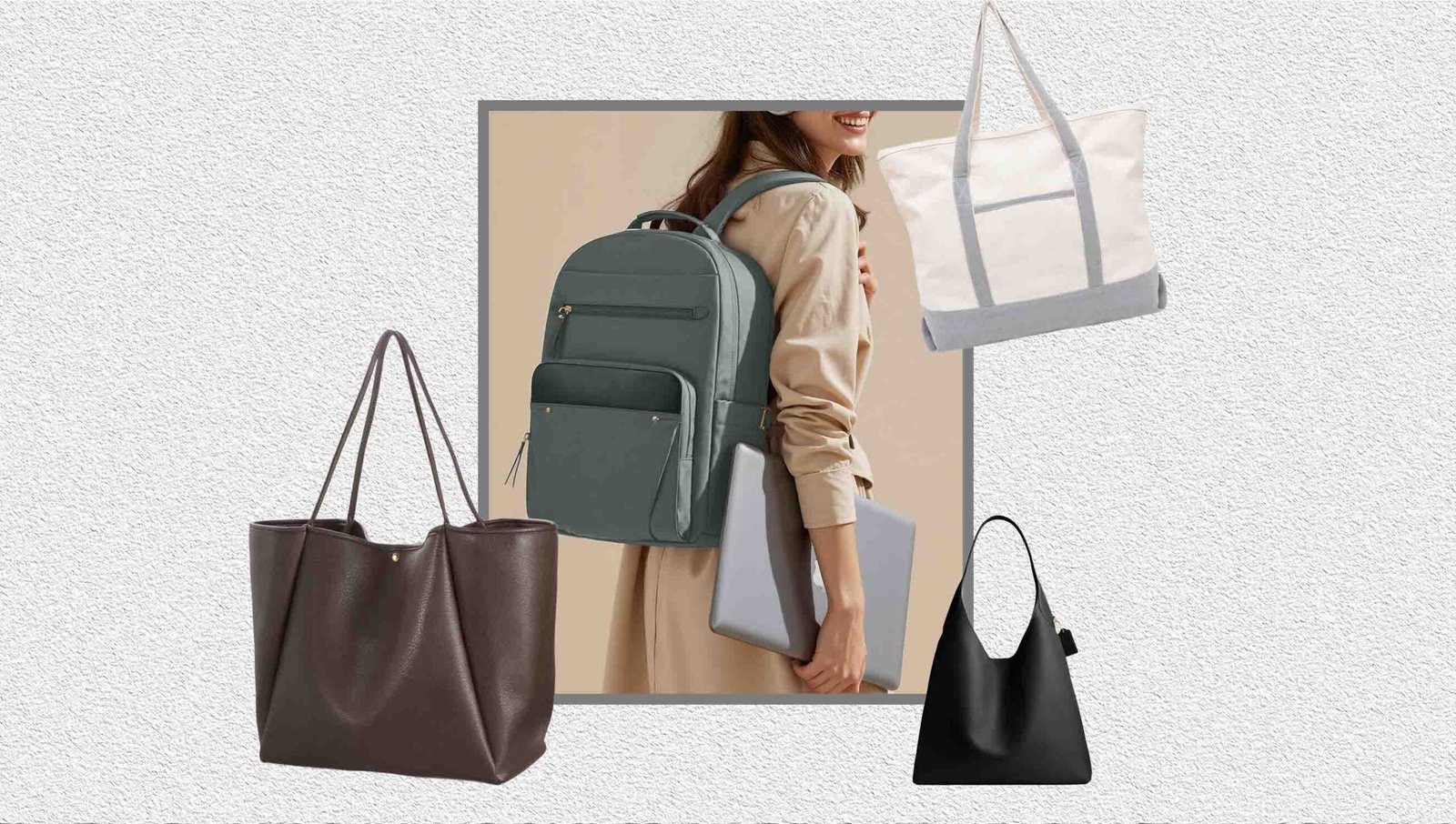
Plastic bag rules are changing fast.1 I see buyers rush into “eco” totes, then face weak bags, late stock, and customer complaints.
I recommend buyers source reusable tote bags by use case, not by material name alone. For 2026 bag-ban programs2, I match cotton/canvas, RPET, or non-woven totes to load needs, reuse frequency, branding goals, price targets, and local compliance checks.
I have handled tote bag inquiries from supermarkets, importers, distributors, and gift buyers for many years. I often hear one first question: “Which bag is eco-friendly?” I understand the reason. Buyers must protect their companies from plastic bag pressure and public criticism. Still, I think this question is too broad. A better question is this: “Which reusable bag can survive the real use case and still support our market story?” When I help a buyer choose a tote bag, I look at the store channel, the customer habit, the expected weight, the print design, the target price, and the local rule. I do not treat one material as the best answer for every market.3
Why Are Reusable Tote Bags Important for 2026 Bag Bans?
Bag bans create pressure on buyers. I see rushed sourcing lead to weak replacement bags, poor branding, and inventory that retail customers avoid.
I see reusable tote bags as practical replacements when buyers select them for real use. A good tote must carry products safely, look acceptable after use, and fit the price and compliance story of the target market.
Reusable tote bags matter because a bag ban does not remove the customer’s need to carry goods. It only changes the bag that a retailer, distributor, or brand should provide. I have seen supermarket buyers focus only on low unit price. I have also seen gift buyers focus only on a nice logo. Both groups can miss the basic question: will the customer reuse the bag many times?4
I look at the tote as a small supply chain decision
A tote bag looks simple, but it includes many choices. Each choice affects use, cost, and customer feedback.
| Buyer Need | What I Check | Why It Matters |
|---|---|---|
| Daily grocery use | Fabric strength, handle sewing, size | Customers carry heavy items |
| Brand promotion | Print method, color control, surface feel | The bag represents the brand |
| Distributor resale | Simple specs, stable supply, clear selling points | Sales teams need easy product stories |
| Compliance story | Material proof, labeling, local review | Buyers must avoid unsupported claims |
| Budget control | Fabric weight, order quantity, packing | Low price must not destroy quality |
I do not give legal advice on bag-ban rules. I always tell buyers to verify the rules in their own market. Some areas may define reusable bags by thickness, material, recycled content, or reuse ability.5 Some areas may also require labeling or documentation.6 As a manufacturer, I can support material explanation, sample testing, and production control. The buyer still needs local legal or compliance confirmation.
What Materials Should Buyers Choose for Reusable Tote Bags?
Material names can sound safe. I have seen buyers choose “eco-friendly” fabric, then find the bag does not fit the store or customer.
I usually compare cotton/canvas, RPET, and non-woven totes by use case. Cotton and canvas feel premium. RPET supports recycled-material stories. Non-woven bags can control cost for large retail programs.
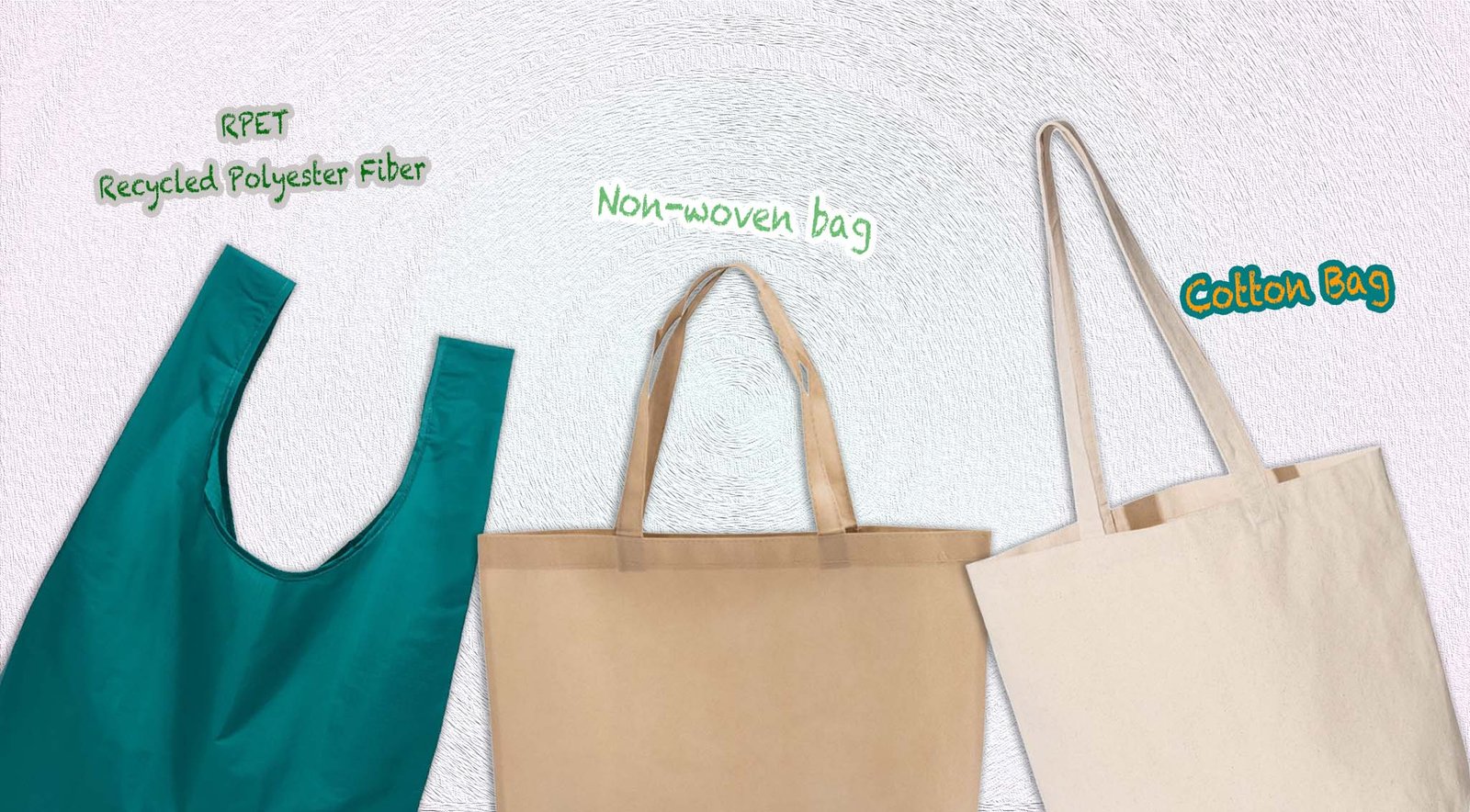
I do not choose material by fashion words. I choose material by the real job of the bag. Cotton and canvas are common choices when the buyer wants a natural feel and a stronger brand image.7 These bags work well for gift programs, retail merchandise, events, and private label collections. The cost is usually higher, and the buyer should check fabric weight, shrinkage control, and print effect.
RPET tote bags are often chosen when buyers want to explain recycled polyester material.8 I often use RPET for supermarket reusable bags, retail campaigns, and brand promotions. Buyers should ask for clear material information and should not make broad environmental claims without support.9
Non-woven totes are useful when the buyer needs cost control and large quantity. I see them used in grocery, trade shows, promotional giveaways, and budget retail programs. The buyer should not assume all non-woven bags are equal. Fabric GSM, lamination, handle type, and stitching can change the result.10
I compare material choice through the sales channel
| Material | Best Fit | Main Strength | Main Risk |
|---|---|---|---|
| Cotton / Canvas | Brand, gift, retail merchandise | Better hand feel and logo image | Higher cost and heavier weight |
| RPET | Retail, grocery, promotion | Recycled material story and smooth printing | Claims need proof and market review |
| Non-woven | Supermarket, events, budget programs | Low cost and easy bulk supply | Weak specs can look cheap or tear |
I often tell buyers to make two sample directions. One sample can target the price point. One sample can target better customer experience. This makes the decision more real. A spreadsheet price comparison cannot show how a handle feels when it carries bottles, canned food, or boxed goods.
Which Tote Bag Styles Are Best for Retail and Grocery Use?
A tote style can look good online. I have seen the same style fail when customers load groceries, bottles, and bulky items.
I suggest supermarkets and retailers choose tote styles based on load capacity, opening size, handle comfort, standing shape, and checkout speed. A good grocery tote should be easy to pack, carry, and reuse.
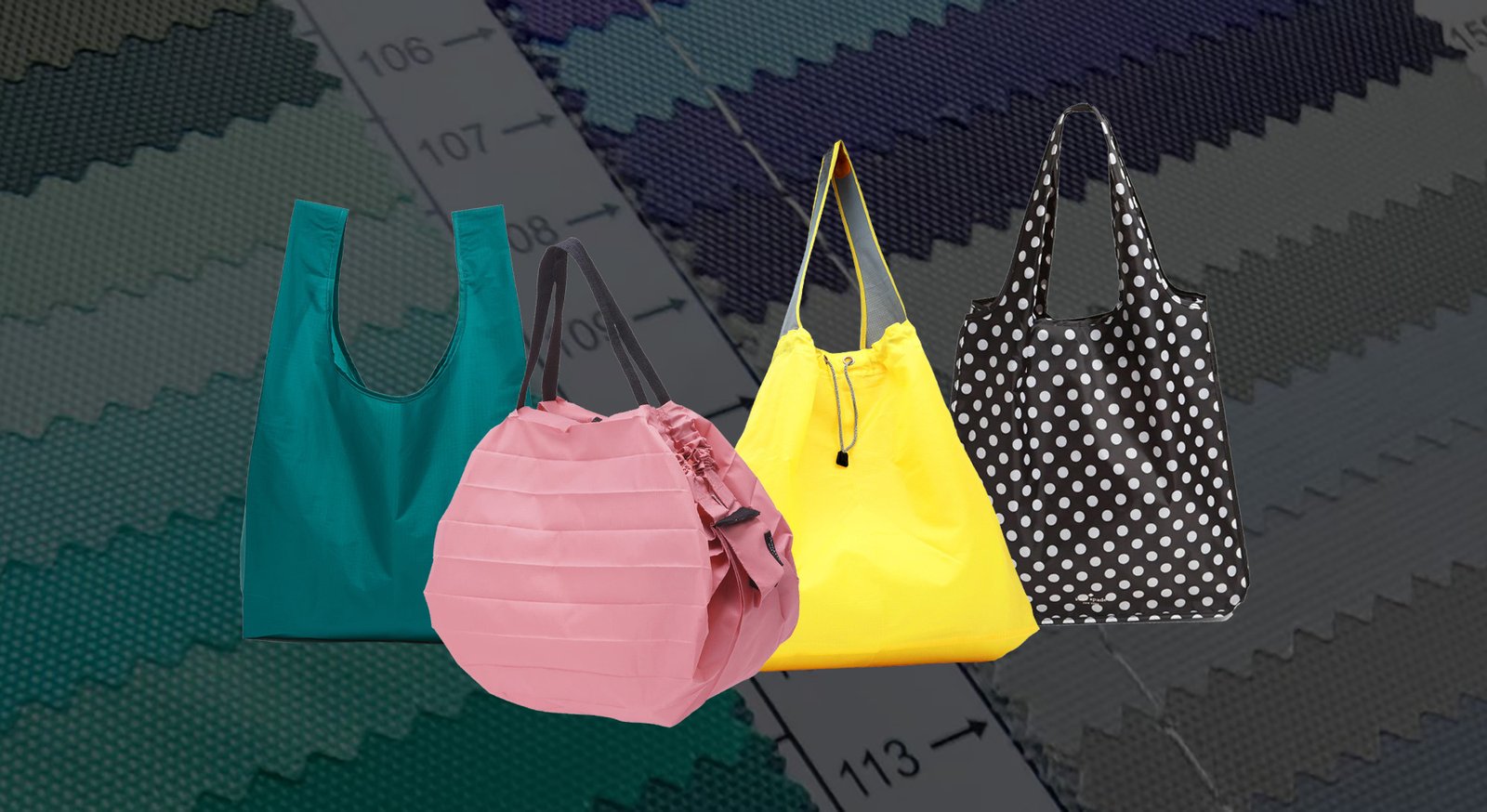
Retail and grocery buyers often need different tote structures. A flat tote is simple and low cost. It works well for apparel, books, gifts, and light retail items. It may not be the best for bulky groceries. A gusset tote gives more volume.11 It allows the bag to stand better and fit more goods. A box bottom tote can work well for supermarkets because staff can pack it faster.
I pay close attention to handles. A longer shoulder handle can feel better when customers carry the bag for a longer walk. A short handle can work for quick checkout and car-to-home use. Reinforced handles are useful when the bag carries heavy goods.12 Cross-stitching, extra binding, and handle width can reduce tearing risk.
I match style to the shopping scene
| Tote Style | Good For | What I Check First |
|---|---|---|
| Flat tote | Apparel, books, simple retail | Fabric weight and logo position |
| Gusset tote | Grocery, general retail, mixed items | Side width and bottom strength |
| Box bottom tote | Supermarket checkout and bulkier items | Standing shape and packing speed |
| Laminated tote | Grocery, promotional retail | Surface finish and edge binding |
| Foldable tote | Convenience stores, travel, daily carry | Folding method and pouch durability |
I also look at printing. A large logo on a flat tote is easier to control. A full-surface design on a gusset or laminated bag needs stronger artwork checking. For supermarket programs, I also ask about barcode labels, carton marks, inner packing, and delivery schedule. The bag must work in the store operation, not only in the product photo.
How Can Buyers Source Compliant Tote Bags in Bulk?
Bulk tote sourcing can look simple at first. I have seen orders slow down when buyers ask for documents after production starts.
I suggest buyers confirm local requirements first, then share material, size, load, labeling, packaging, and testing needs with the factory before sampling. This reduces price changes, delays, and wrong production.
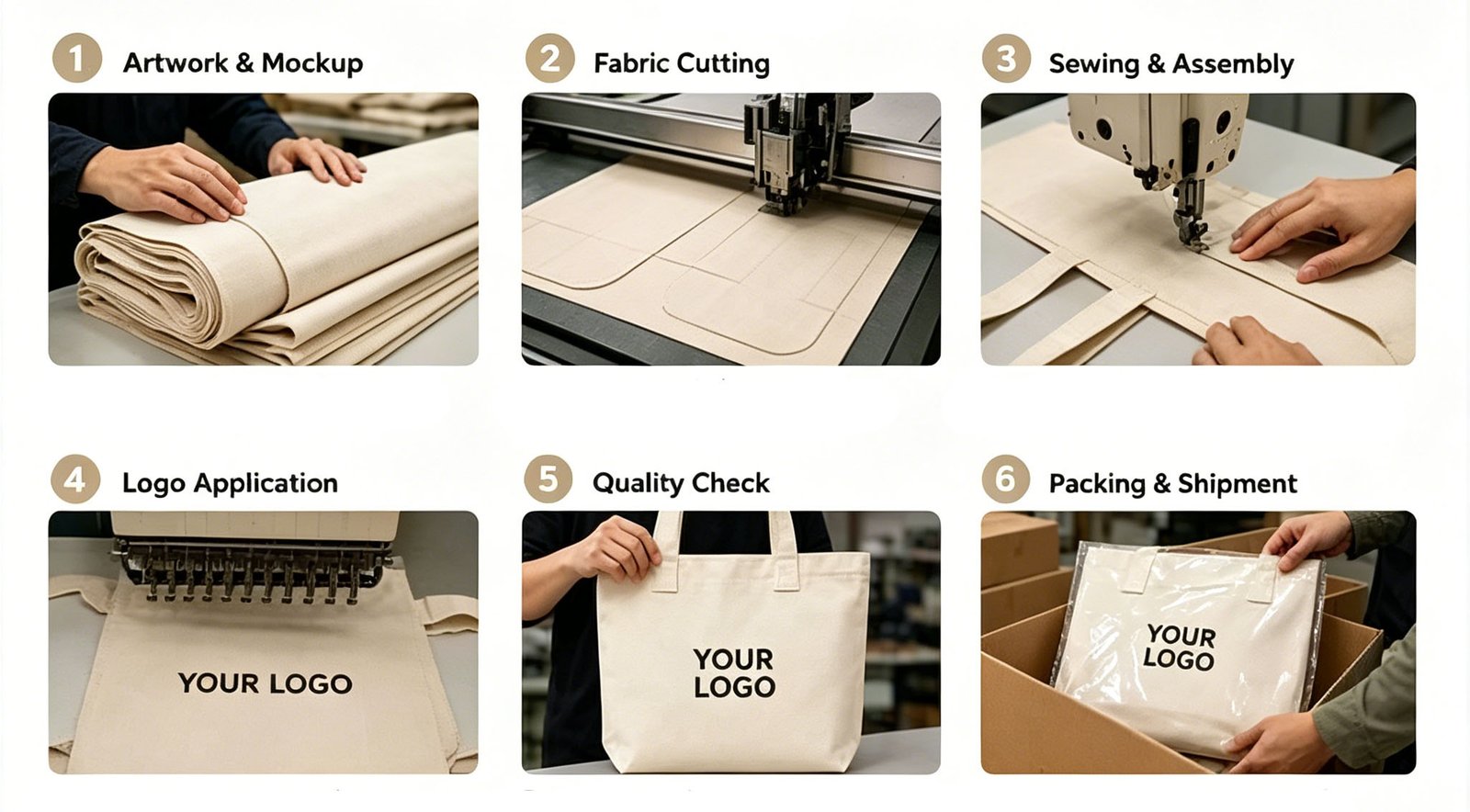
I always separate “factory capability” from “legal compliance.” A factory can make the tote bag, control quality, and provide material details. A buyer must still confirm if that bag fits the local bag-ban rule. I can support the process by giving clear specifications, production records, and requested documents when the material supply chain supports them. I do not promise that one bag is compliant in every country or state.
Bulk sourcing should start with a written specification. I ask buyers to confirm the size, fabric, GSM, color, handle length, stitching, print method, packing, carton size, and order quantity. I also ask about the target load. A tote for light apparel does not need the same structure as a tote for a supermarket basket.
I use a simple sourcing checklist before sampling
| Step | Buyer Action | Factory Action |
|---|---|---|
| 1 | Confirm local rules with internal team or advisor | Review what the product can support |
| 2 | Share target use and channel | Recommend material and construction |
| 3 | Set size, load, and budget range | Make practical sample plan |
| 4 | Confirm logo and packaging | Check artwork and print limits |
| 5 | Approve sample and test needs | Prepare production standard |
| 6 | Lock delivery plan | Arrange material, cutting, sewing, QC |
I have seen many delays come from unclear details. A buyer may ask for a low price first, then add thicker fabric, stronger handles, special packing, hangtags, and testing after the first quote. The final price then changes. This creates frustration on both sides. I prefer to discuss the real use early. It saves time and makes the sample more useful.
What Should Retailers Check Before Ordering Tote Bags?
A low tote price can feel like a win. I have seen cheap bags become expensive when customers complain or stop reusing them.
Before ordering, I check fabric weight, stitching, handle strength, load capacity, print quality, labeling needs, packing, delivery date, and after-sales support. I also advise buyers to test samples in real use.
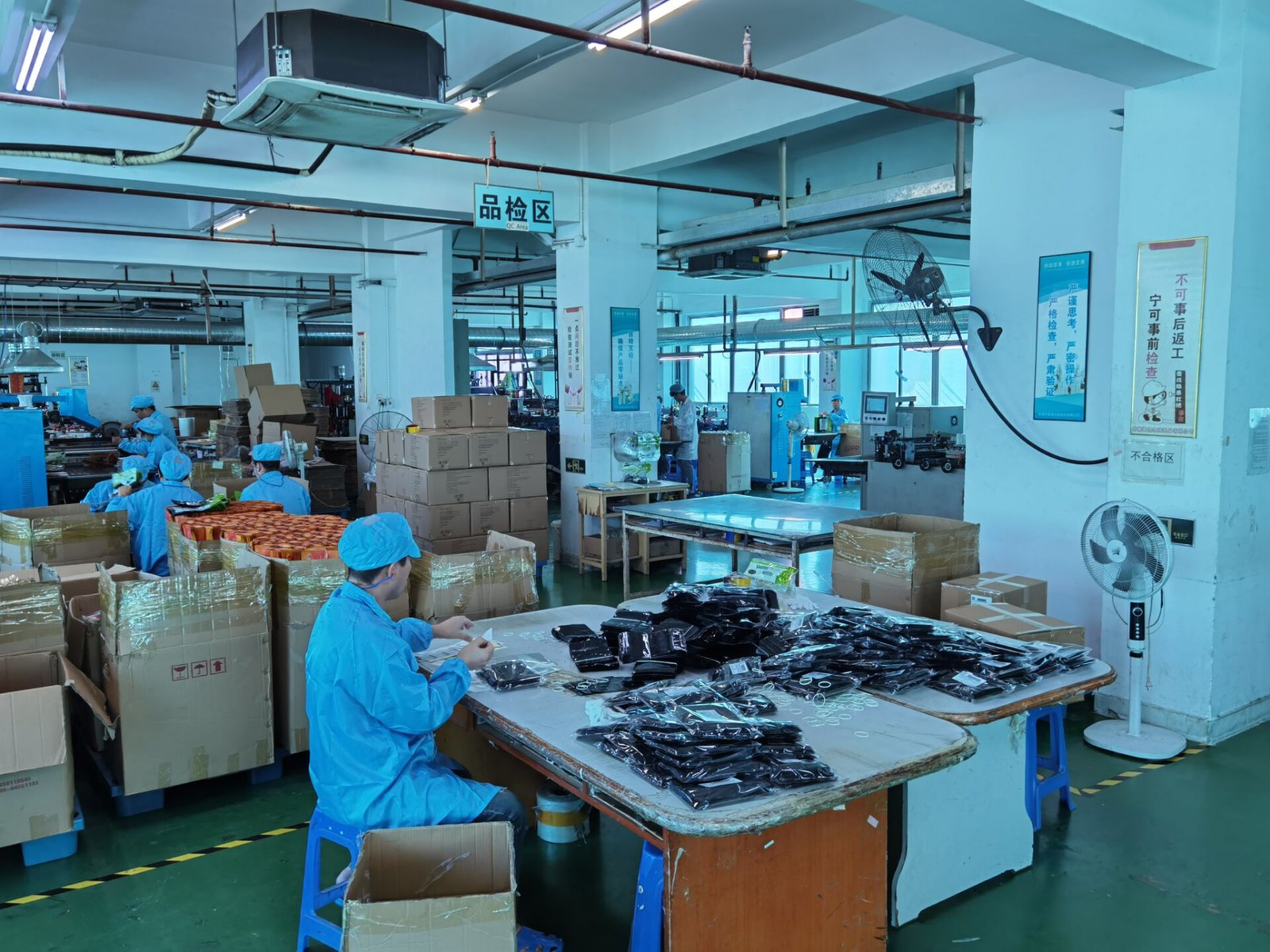
Retailers should not approve a tote bag only by photo. A photo cannot show handle comfort, seam strength, or the way the bag sits when filled. I suggest buyers load the sample with real products. A supermarket buyer can fill it with bottles, boxes, canned food, and fresh items. A gift buyer can check how the bag looks with tissue paper, packaging, and the final giveaway items. A distributor can show the sample to its sales team and ask if the selling story is easy to explain.
| Check Point | What I Look For | Common Problem |
|---|---|---|
| Fabric weight | GSM, thickness, hand feel | Bag feels too weak |
| Stitching | Even line, lock stitch, reinforced stress points | Seams open under load |
| Handles | Width, length, attachment method | Handles tear or hurt the hand |
| Printing | Color, edge clarity, wash or rub result | Logo looks cheap |
| Size | Real measured size, not only artwork size | Bag cannot fit intended goods |
| Packing | Inner packing, carton strength, label needs | Warehouse handling becomes messy |
| Timeline | Sample time, production time, shipping plan | Promotion date is missed |
I also ask buyers to think about after-sales risk. If a bag tears quickly, the issue is not only the replacement cost. The retailer may receive customer complaints. The brand may look careless. The distributor may lose trust with its account. I do not say every tote must be premium. I say every tote must match the promise made to the customer.
For buyers who want a private label program, I also check hangtags, care labels, carton labels, barcode stickers, and packaging style. These small items affect warehouse receiving and retail display. They also affect how professional the product feels. A tote bag is a simple product, but the full order is not simple when thousands or millions of pieces must arrive on time.
Conclusion
I choose 2026 tote bags by use case, construction, branding, cost, and local checks, not by “eco-friendly” words alone.
"Plastic bag bans in the United States - Wikipedia", https://en.wikipedia.org/wiki/Plastic_bag_bans_in_the_United_States. A United Nations Environment Programme or similar institutional overview documents that many jurisdictions have adopted or updated plastic bag bans, levies, or related restrictions, supporting the article’s claim that bag rules are changing across markets. Evidence role: historical_context; source type: institution. Supports: A source should document the spread of plastic bag restrictions and policy changes across jurisdictions.. Scope note: Such sources usually summarize policy trends by country or region and may not verify every local rule relevant to a specific buyer. ↩
"[Archives] Single-Use Carryout Bag Ban (SB 270) - CalRecycle", https://calrecycle.ca.gov/plastics/carryoutbags/. Government notices on plastic bag restrictions show that some jurisdictions maintain or phase in bag-ban and reusable-bag requirements through specific effective dates, giving context for 2026 sourcing programs. Evidence role: case_reference; source type: government. Supports: A government source should show that at least some plastic bag restrictions or reusable-bag requirements have implementation dates or ongoing applicability around 2026.. Scope note: This would provide policy context rather than prove that every target market will have a new or changed rule in 2026. ↩
"Plastic, Paper or Cotton: Which Shopping Bag is Best?", https://news.climate.columbia.edu/2020/04/30/plastic-paper-cotton-bags/. Comparative life-cycle studies of shopping bags show that environmental performance depends on material, weight, reuse rate, and disposal assumptions, supporting the article’s position that material name alone is not a sufficient sourcing criterion. Evidence role: expert_consensus; source type: research. Supports: A life-cycle review should show that the preferred bag material depends on assumptions such as reuse rate, weight, production impacts, transport, and end-of-life treatment.. Scope note: Life-cycle findings address environmental performance and do not directly evaluate branding, price, or local legal acceptance. ↩
"Consumers' Intention to Bring a Reusable Bag for Shopping in China", https://pmc.ncbi.nlm.nih.gov/articles/PMC8955543/. Life-cycle assessments of supermarket carrier bags find that reusable bags generally require multiple uses before their production impacts are offset relative to single-use alternatives, supporting the article’s focus on actual reuse frequency. Evidence role: mechanism; source type: government. Supports: A life-cycle assessment should show that impacts from manufacturing reusable bags are spread over repeated uses, making reuse frequency a key factor.. Scope note: Reuse thresholds vary by material, impact category, and assumptions about end-of-life treatment. ↩
"[Archives] Single-Use Carryout Bag Ban (SB 270) - CalRecycle", https://calrecycle.ca.gov/plastics/carryoutbags/. Government bag-ban guidance and statutes define reusable bags using criteria such as minimum thickness, material composition, recycled-content thresholds, and capacity for repeated use, supporting the need to check local definitions. Evidence role: definition; source type: government. Supports: A government source should show that reusable bags are legally defined using measurable criteria such as thickness, material, recycled content, durability, or reuse capability.. ↩
"Cal. Code Regs. Tit. 14, § 17988.3 - Submittal and Resubmittal of a ...", https://www.law.cornell.edu/regulations/california/14-CCR-17988.3. Government reusable-bag rules in some jurisdictions include labeling, certification, or documentation provisions, supporting the article’s caution that compliance involves more than material selection. Evidence role: general_support; source type: government. Supports: A source should confirm that reusable-bag regulations may include labeling, certification, or documentation obligations.. Scope note: Requirements differ by jurisdiction, so this source would support the general point but not establish compliance for any specific order. ↩
"Natural fibers in sustainable materials: extraction ... - PMC - NIH", https://pmc.ncbi.nlm.nih.gov/articles/PMC12926875/. Textile references describe cotton as a natural cellulosic fiber and canvas as a durable plain-weave fabric, providing material context for why cotton or canvas totes may offer a different hand feel from synthetic alternatives. Evidence role: definition; source type: education. Supports: A textile education source should describe cotton as a natural fiber and canvas as a durable plain-weave fabric often made from cotton or similar fibers.. Scope note: The source would support material properties, not directly prove that consumers perceive stronger brand image. ↩
"Polyethylene terephthalate - Wikipedia", https://en.wikipedia.org/wiki/Polyethylene_terephthalate. Reference sources define RPET as recycled polyethylene terephthalate and note that recycled PET can be processed into polyester fibers, supporting the article’s description of RPET totes as a recycled-polyester material story. Evidence role: definition; source type: encyclopedia. Supports: A source should define RPET as recycled polyethylene terephthalate and explain its use in polyester fibers or fabrics.. ↩
"[PDF] Part 260 – Guides for the Use of Environmental Marketing Claims", https://www.ftc.gov/sites/default/files/attachments/press-releases/ftc-issues-revised-green-guides/greenguides.pdf. The U.S. Federal Trade Commission’s Green Guides state that environmental marketing claims should be truthful, qualified where necessary, and substantiated, supporting the article’s warning against broad unsupported environmental claims. Evidence role: expert_consensus; source type: government. Supports: An official guidance source should state that environmental claims require substantiation and should avoid vague or misleading representations.. Scope note: The FTC guidance is U.S.-focused, so buyers in other markets should also check local advertising and consumer-protection rules. ↩
"The effects of different fabric types and seam designs on the ...", https://commons.emich.edu/cgi/viewcontent.cgi?article=1052&context=honors. Textile engineering research links fabric properties and seam construction to tensile and tear performance, supporting the article’s claim that GSM, lamination, handle type, and stitching can materially affect tote-bag durability. Evidence role: mechanism; source type: paper. Supports: A textile or materials paper should show that fabric mass, seam construction, lamination, or handle attachment affects tensile strength, tear resistance, or load performance.. Scope note: A general textile study may not test the exact tote-bag design described in the article. ↩
"What is a Gusseted Bag?", https://www.inkablelabel.com/what-is-a-gusseted-bag/?srsltid=AfmBOooKltRJA1zmX_PymwHO8QldQczHzD89jy6YmoL8OyjcTg_dVi5R. Packaging design references define gussets as folded expansions in the sides or bottom of a bag that increase the bag’s internal capacity, supporting the article’s statement that gusset totes provide more volume. Evidence role: definition; source type: education. Supports: A packaging or design source should explain that gussets are folds or side/bottom expansions that allow a bag to open wider and hold more contents.. ↩
"[PDF] The Effect of Reusable Bag Type on Tensile Strength, Liquid ...", https://csef.usc.edu/History/2010/Projects/J2203.pdf. Research on textile seams and reinforced attachment points shows that reinforcement can improve load-bearing capacity and reduce failure at high-stress areas, supporting the article’s recommendation to reinforce handles for heavier goods. Evidence role: mechanism; source type: research. Supports: A source should explain that reinforcing seams or attachment points can improve load-bearing performance and reduce failure at stress points.. Scope note: The evidence may be based on textile seam mechanics rather than a direct test of every tote-bag handle construction. ↩