Many buyers ask where to buy laundry bags, then lose time on the wrong suppliers, late delivery, and weak bulk quality. I see this happen often in early sourcing talks.
The best place to buy hotel and gym laundry bags is not just a marketplace. It is a supplier that fits your use case, keeps bulk quality stable, supports repeat orders, and delivers on time for your operating needs.
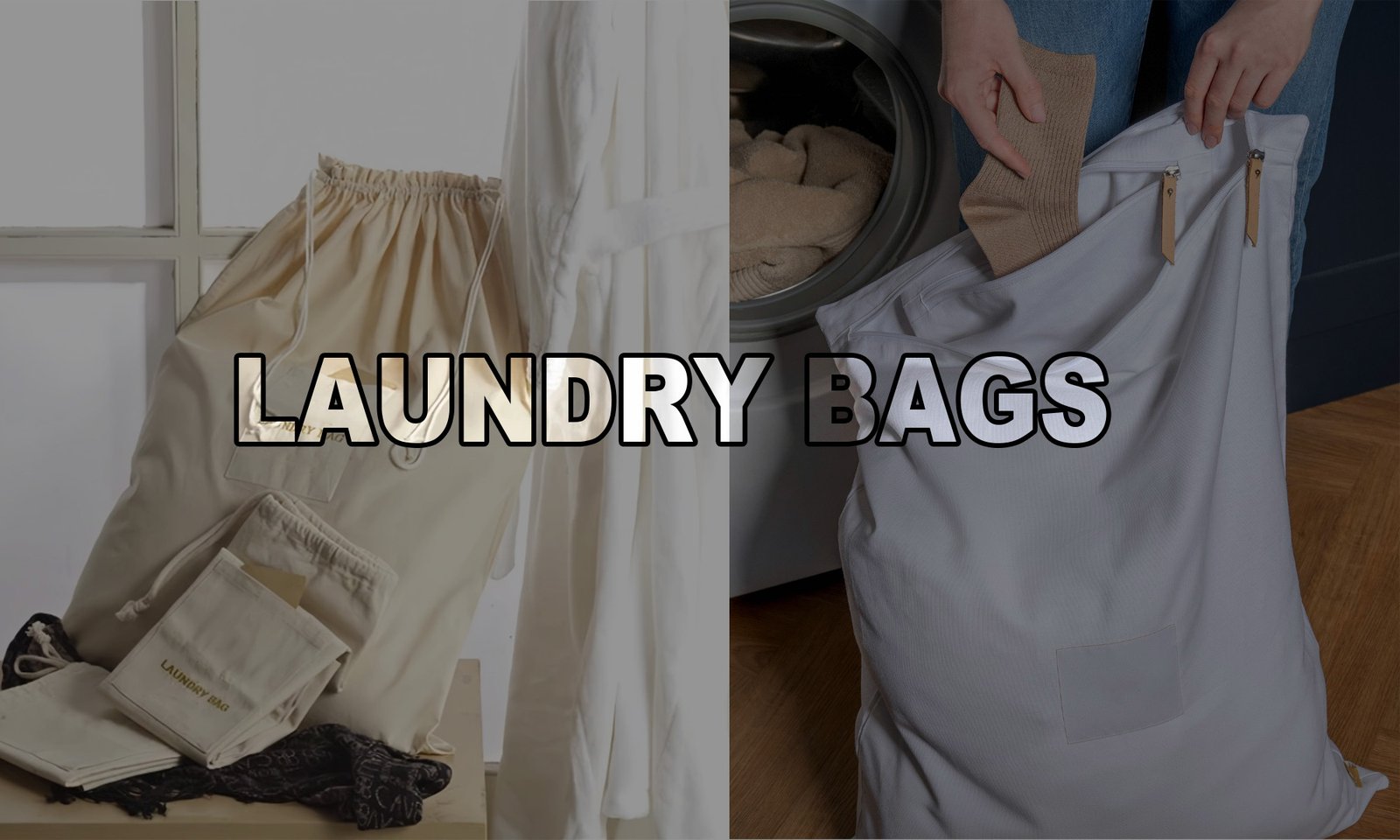
When I speak with buyers, I notice the first question is often too narrow. They ask for a website, a country, or a price list. But hotel and gym laundry bags are not the same item in daily use. I think the real question is who can supply the right bag for the right workflow, with less risk later. That is where a smart buying decision starts.
What Are Drawstring Laundry Bags Used For?
Many buyers treat drawstring laundry bags as simple fabric sacks. Then they find out too late that daily use, handling, and brand image all change what the bag needs to do.
Drawstring laundry bags are used to collect, store, carry, and sort used garments or linens1. In hotels, they often support guest service and presentation. In gyms, they usually support repeated personal use, fast handling, and practical storage.
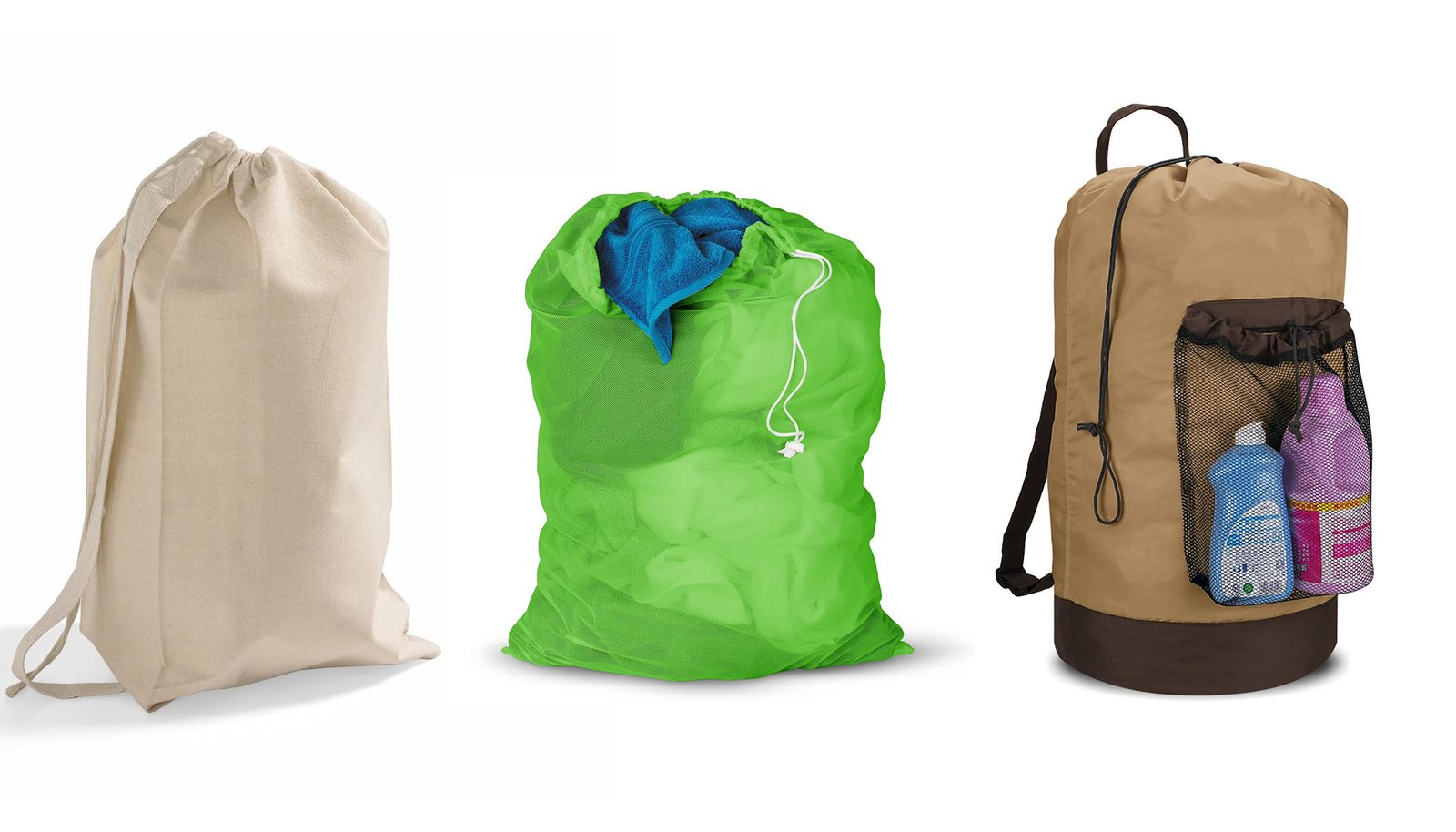
When I review inquiries, I often see one common mistake. A buyer asks for a “laundry bag” with no clear use case. Then the quote looks fine, but the product fit is weak. In hotels, the bag may be placed in guest rooms, suites, or laundry programs. So the look, hand feel, logo style, and repeat order consistency matter a lot. A rough bag may work in transport, but it may not match the guest experience. In gyms, the pattern is different. The bag may be used many times each week. Members may pull it, stuff it into lockers, or carry damp clothing after training. So easy closure, wear resistance, and quick reorder support matter more.
I usually ask buyers a few simple questions first. Who uses the bag? How often? Is it for guest-facing use or back-end handling? Is the bag part of a branded set? Those answers shape the right product much more than a platform name does.
| Use Scenario | Main User | Main Need | Key Buying Focus |
|---|---|---|---|
| Hotel guest room | Guest | Clean look and easy use | Presentation, logo, consistency |
| Hotel internal laundry | Staff | Sorting and transport | Size, handling, durability |
| Gym member use | Member | Frequent personal use | Wear resistance, practical closure |
| Retail/OEM resale | Importer/brand | Repeat sales and image | Stable quality, branding, delivery |
Which Fabrics Work Best for Hotel and Gym Laundry Bags?
Some buyers choose fabric by unit price only. Then they run into wear issues, poor appearance, or complaints because the material does not match real use.
The best fabric depends on the use case. Cotton and canvas often suit hotel presentation and branding2. Polyester and blended fabrics often suit gym use because they are practical, light, and better for frequent handling3.
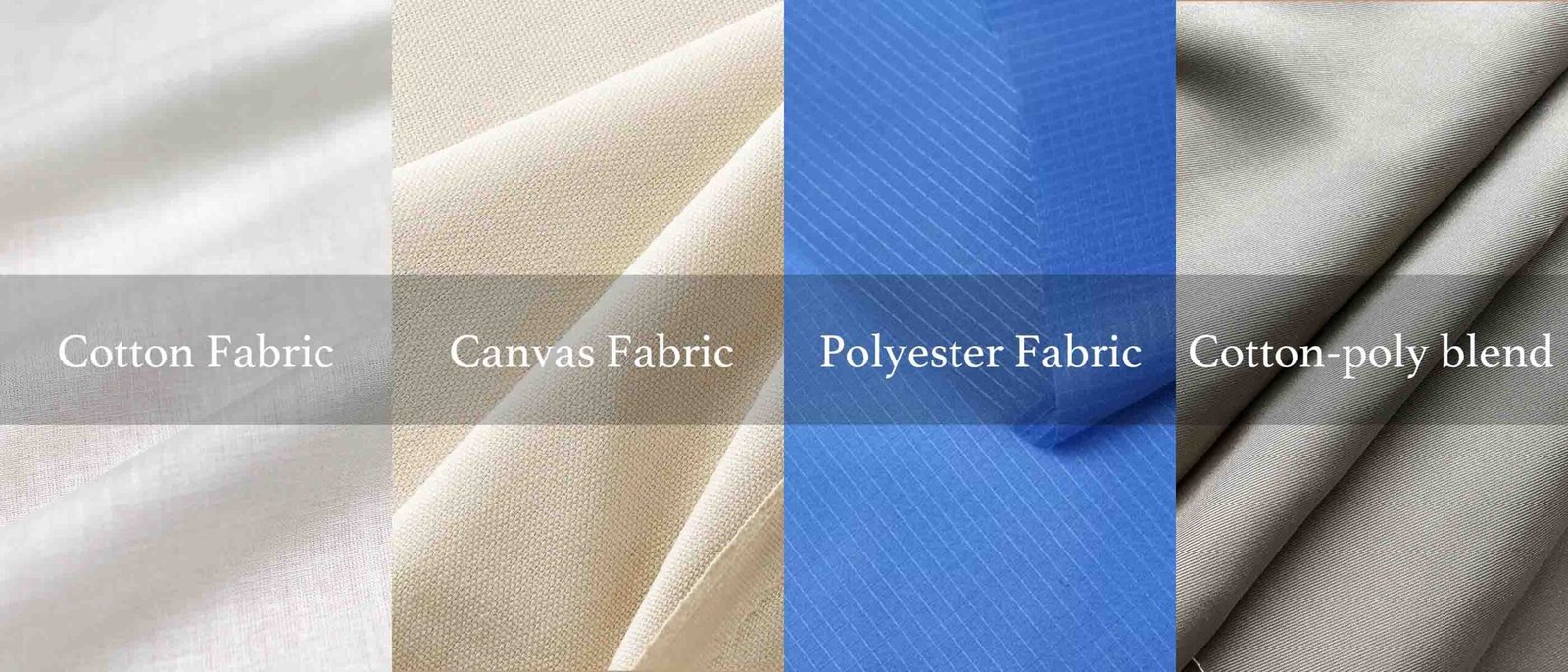
I do not think there is one perfect fabric for every laundry bag. I have seen buyers ask for cotton because it sounds premium, or ask for polyester because it sounds cheaper. But fabric choice should start with the work the bag must do. In hotel projects, many buyers want a softer look, a more natural feel, and a surface that works well with a simple logo print or embroidery. Cotton or canvas often fits that need. It can support a more refined image, especially for guest-facing use. But the buyer should also think about shrinkage, thickness variation, and color consistency across repeat orders4.
For gym projects, I often see a different priority. The bag must handle more pulling, more stuffing, and more repeat use. Polyester or mixed fabrics may be a better fit in many cases because they are light, practical, and often easier to keep consistent in production. Some buyers also care about moisture-related use, though I always suggest they match fabric choice to the exact user habit before sampling.
| Fabric | Common Strength | Possible Weak Point | Often Fits Best |
|---|---|---|---|
| Cotton | Natural look, soft hand feel | May vary more in feel and size | Hotel guest use |
| Canvas | Stronger body, premium look | Heavier and may cost more | Hotel branding programs |
| Polyester | Light, practical, stable output | Less natural look | Gym and frequent-use bags |
| Cotton-poly blend | Balance of look and function | Needs clear spec control | Mixed-use OEM projects |
When I help buyers think through this step, I focus less on “best fabric” and more on “best match.” That small shift avoids many problems later.
How Should Buyers Choose Size and Closure?
A laundry bag can look fine in a photo and still fail in use. Buyers often find this out when the bag is too small, too awkward, or too slow to handle.
Buyers should choose size and closure based on load type, user handling, storage space, and workflow speed. The right choice makes daily use easier, while the wrong one creates friction, complaints, and repeat-order problems5.
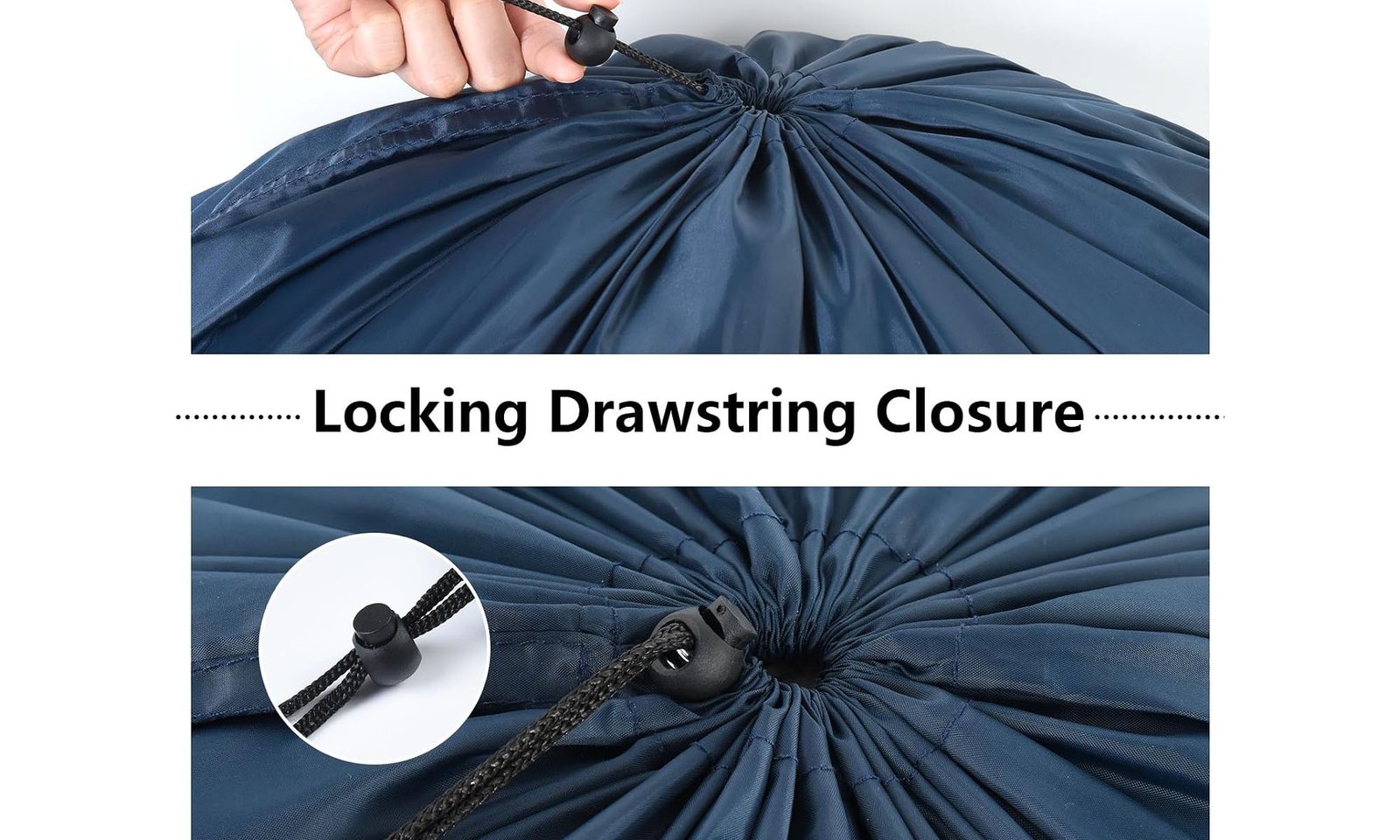
In sourcing talks, size is often treated as a simple measurement. I do not think it is that simple. A bag size should reflect what goes inside, how full it gets, and who handles it. A hotel guest laundry bag may only hold a limited amount of clothing, and it should still look neat when placed in the room. A gym laundry bag may need to take sportswear, towels, or shoes, and it may be packed quickly after exercise. If the bag is too narrow, it becomes annoying to use. If it is too large, it can feel loose, cheap, or hard to store.
Closure matters just as much. Drawstring closure is common because it is easy and cost-friendly6. But even within this simple style, details matter. Cord thickness, stitching strength, channel width, and ease of pulling all affect use. Some buyers also ask for zipper closure or mixed solutions. That can work, but it depends on the use pattern and target cost.
I often suggest buyers review this step with actual handling in mind, not just a tech pack.
| Factor | Hotel Focus | Gym Focus |
|---|---|---|
| Size | Neat look, room placement, moderate load | Practical volume, flexible use |
| Opening width | Easy guest access | Fast loading after use |
| Closure type | Clean drawstring appearance | Fast and repeated closure |
| Portability | Light handling | Daily carrying and locker use |
| Storage | Easy room placement | Easy stock and refill management |
A good size and closure choice reduces friction every day. That is why I see it as an operation decision, not only a product decision.
What Branding Options Are Suitable for Laundry Bags?
Some buyers think branding is just adding a logo. Then bulk production starts, and they discover the logo method does not suit the fabric, price target, or brand image.
Suitable branding options for laundry bags include screen printing, heat transfer, embroidery, woven labels, and hangtags7. The best option depends on fabric type, logo detail, target image, order volume, and repeat-order consistency8.
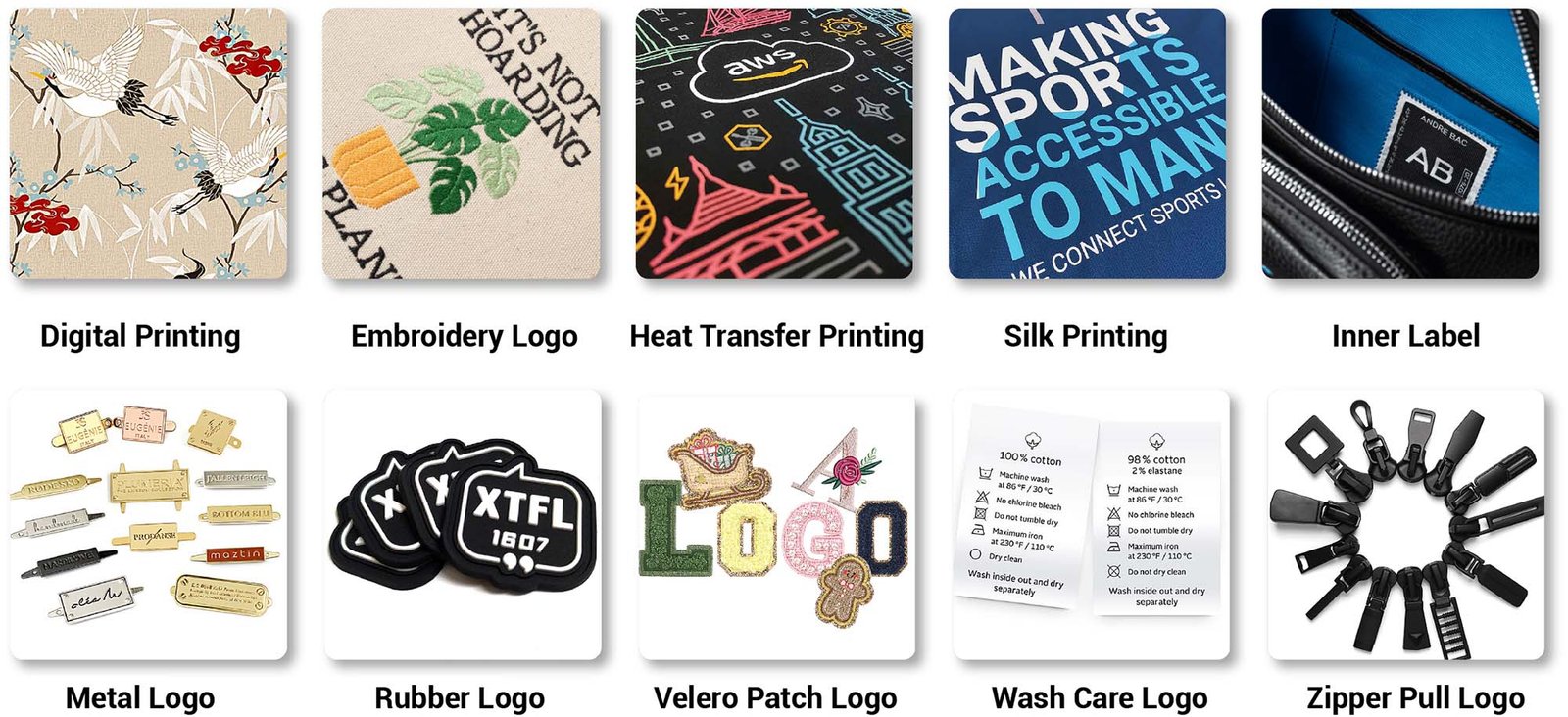
I often tell buyers that branding on a laundry bag should be practical first and decorative second. In hotel projects, branding can be part of the guest experience. A clean logo on a cotton or canvas bag may support a more polished look. In gym projects, branding often needs to stay readable under harder and more frequent use. So the branding method should match both the bag material and the daily handling pattern.
Screen printing is common for simple logos and larger runs. It is often cost-friendly and clear if the artwork is not too complex. Embroidery can look more premium9, but it adds cost and may not suit every fabric or every target price. Woven labels are useful when the buyer wants a quieter brand signal. Heat transfer can work for detailed designs, but the buyer should confirm how it behaves on the chosen fabric and use pattern.
I have seen buyers focus only on artwork approval, but the smarter step is to ask whether the branding method can stay consistent across bulk orders.
| Branding Method | Good For | Watch Out For |
|---|---|---|
| Screen print | Simple logos, large volume | Color and placement consistency |
| Embroidery | Premium image | Higher cost, fabric impact |
| Woven label | Subtle branding | Placement and sewing quality |
| Heat transfer | Detailed graphics | Fit with fabric and use pattern |
| Hangtag/package card | Retail or importer use | Extra packing steps |
The right branding choice should support your operating goal. It should not just look good in the sample room.
What Should Be Checked Before Bulk Production?
The biggest problems rarely appear in the first quote. They show up later, when bulk goods arrive and the details are not as stable as the sample.
Before bulk production, buyers should check approved sample details, fabric and color consistency, stitching points, size tolerance, logo execution, packing method, delivery timeline10, and how the supplier handles repeat orders and quality issues.
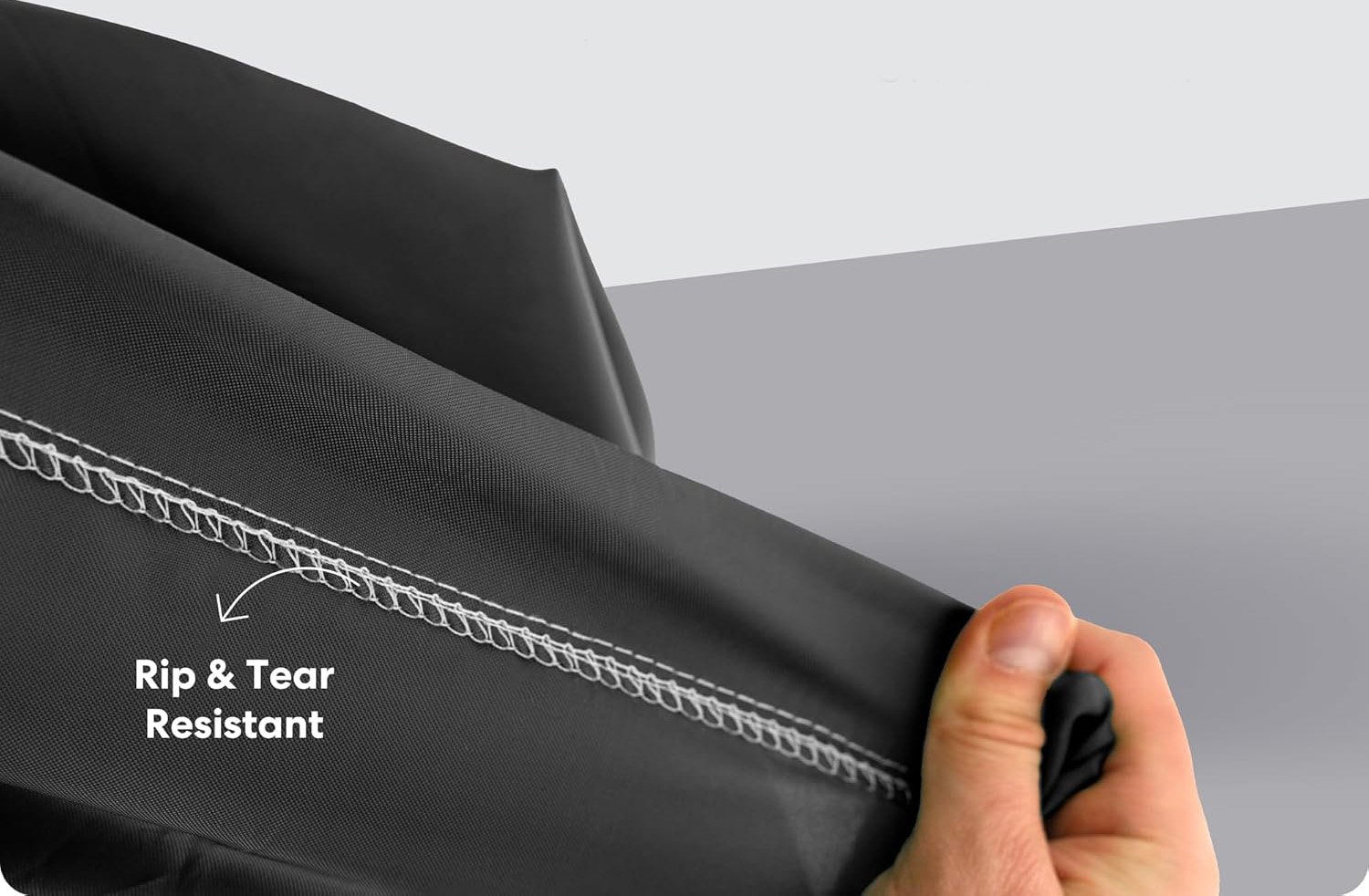
This is the part I care about most in real projects. Many buyers spend a lot of time comparing prices across platforms, but they spend too little time checking how the supplier controls bulk output. In my experience, the real risk is not the quotation sheet. The real risk is whether the same result can be repeated at scale and delivered on time11.
Before bulk production, I think buyers should confirm one approved reference sample and lock the key details around it. That includes material, color, dimensions, logo position, drawstring style, stitching, inner finishing, packing, and carton marks. If these points are left vague, later arguments become very likely. I also think buyers should ask simple but important questions. How does the supplier control raw material consistency? What happens if shade variation appears? How is in-line inspection handled? What is the plan if the shipping date gets tight?
For hotel and gym laundry bags, repeat order ability matters a lot12. Many buyers do not place one order only. So the supplier should be judged on order handling, not just sample making.
| Check Point | Why It Matters |
|---|---|
| Approved sample | Sets one clear production standard |
| Material confirmation | Reduces feel and color mismatch |
| Size tolerance | Prevents use problems in real operations |
| Closure construction | Affects daily handling and durability |
| Logo approval | Avoids branding disputes |
| Packing details | Supports receiving and resale efficiency |
| Delivery plan | Reduces supply chain disruption |
| After-sales process | Shows how issues will be handled |
When I look at a potential supplier, I do not ask only “Can they make this bag?” I ask, “Can they make it again, at the same level, and ship it when needed?” That is usually the better buying filter.
Conclusion
The best place to buy laundry bags is the supplier that fits your hotel or gym use, controls bulk risk, and supports stable repeat orders with clear communication.
"Laundry basket", https://en.wikipedia.org/wiki/Laundry_basket. University housing and laundry guidance commonly describes laundry bags as containers for storing and carrying dirty clothing, and organizational laundry products are also used to separate garments by type; this supports the article's summary of collection, transport, and sorting functions. Evidence role: general_support; source type: education. Supports: That laundry bags are commonly used to hold and transport soiled clothing or linens and can assist with organizing laundry.. Scope note: Such sources usually describe typical household or institutional practice rather than proving all drawstring laundry bags are used in every listed way. ↩
"Sustainable Meets Sophisticated: 5 Fabrics for Hospitality Design", https://carnegiefabrics.com/resources/carnegie-convo-sustainable-meets-sophisticated-5-fabrics-for-hospitality-design. Textile research and university materials guides describe cotton and canvas as natural-fiber fabrics valued for hand feel, appearance, and compatibility with common decoration methods such as printing and embroidery, which provides context for their use in presentation- and branding-focused bag applications. Evidence role: mechanism; source type: research. Supports: That cotton and canvas have material properties such as natural appearance, tactile softness or body, and printable surfaces that make them suitable for presentation-oriented textile products.. Scope note: The support is contextual about textile properties rather than direct evidence specific to hotel laundry bags. ↩
"Super-Hydrophobicity of Polyester Fabrics Driven by Functional ...", https://pmc.ncbi.nlm.nih.gov/articles/PMC9957304/. Textile education sources commonly characterize polyester and polyester blends as lightweight, abrasion-resistant, and dimensionally stable materials, features consistent with products intended for frequent handling and repeated use. Evidence role: mechanism; source type: education. Supports: That polyester and polyester blends are lightweight, durable, and commonly selected where repeated handling and dimensional consistency are important.. Scope note: These sources support the material-performance rationale but do not directly compare hotel and gym laundry bag outcomes. ↩
"Evaluating the Impact of Washing Conditions on the Color ...", https://pmc.ncbi.nlm.nih.gov/articles/PMC11642346/. Textile research and quality-control references identify dimensional shrinkage, mass or thickness variation, and shade consistency as standard quality considerations for cotton fabrics, supporting their relevance in repeat-order production control. Evidence role: general_support; source type: research. Supports: That cotton-based fabrics can present dimensional change, fabric-weight variability, and shade variation issues that are relevant to quality control.. Scope note: The evidence addresses known textile quality variables generally rather than documenting a specific supplier's repeat-order performance. ↩
"Human Factors and Organizational Issues in Health Informatics - PMC", https://pmc.ncbi.nlm.nih.gov/articles/PMC12020533/. Human-factors literature consistently finds that product size, opening geometry, and closure design influence handling effort, task efficiency, and user satisfaction, which supports the article's argument that poor specification can create operational friction. Evidence role: expert_consensus; source type: research. Supports: That product dimensions and closure design affect ease of use, handling efficiency, and user satisfaction in repeated tasks.. Scope note: The evidence is based on general ergonomics principles rather than laundry-bag-specific complaint data. ↩
"Easy Drawstring Bag | Quick and Easy Sewing Projects for Beginners!", https://www.youtube.com/watch?v=zo2WJk9OwD4. Bag-construction and product-design references commonly describe drawstring closures as simple mechanisms requiring few components and straightforward sewing operations, supporting the claim that they are widely used and generally economical. Evidence role: general_support; source type: other. Supports: That drawstring closures are widely used in simple textile bags because they have straightforward construction and low component complexity.. Scope note: The support is indirect and may not provide market-wide statistics on closure prevalence. ↩
"Threading Your Way Through the Labeling Requirements ...", https://www.ftc.gov/business-guidance/resources/threading-your-way-through-labeling-requirements-under-textile-wool-acts. Textile and apparel education materials list screen printing, heat-transfer decoration, embroidery, woven labels, and hangtags among standard methods for applying branding or product identification to fabric goods. Evidence role: definition; source type: education. Supports: That screen printing, heat transfer, embroidery, woven labels, and hangtags are recognized methods for decorating or identifying textile products.. Scope note: These sources define standard methods broadly and do not establish that every method is equally suitable for every laundry bag fabric. ↩
"6 Best methods for high-quality fabric printing", https://www.printful.com/blog/best-methods-for-high-quality-fabric-printing. Apparel-decoration guidance from educational sources explains that the choice among printing, transfer, embroidery, and labels depends on fabric characteristics, design detail, production scale, and desired repeatability, supporting the decision factors identified in the article. Evidence role: mechanism; source type: education. Supports: That decoration-method selection in textiles depends on substrate properties, artwork complexity, production quantity, and consistency requirements.. Scope note: The support is methodological and does not rank one branding option as universally best. ↩
"Customer Behavior on Purchasing Channels of Sustainable ... - PMC", https://pmc.ncbi.nlm.nih.gov/articles/PMC7779488/. Consumer-perception studies in apparel and textile branding have found that embroidered decoration can signal craftsmanship or higher perceived quality relative to simpler printed marks, lending support to the article's characterization of embroidery as a more premium-looking option. Evidence role: general_support; source type: paper. Supports: That embroidered decoration is often associated with higher perceived quality or value compared with some flat printing methods.. Scope note: Perceived premium value varies by product type, brand context, and execution quality. ↩
"[PDF] Textile quality assurance: A comparison between education and ...", https://dr.lib.iastate.edu/bitstreams/532d5995-3bc0-4d36-af3e-c8cc63c4cd55/download. Textile and sewn-product quality-control frameworks commonly require confirmation of an approved reference sample, material and shade standards, workmanship criteria, dimensional tolerances, labeling or decoration details, packing instructions, and production timing before bulk manufacture begins. Evidence role: expert_consensus; source type: institution. Supports: That pre-production approval of sample, materials, workmanship, dimensions, decoration, packing, and schedule is a standard quality-control practice in textile or sewn-product manufacturing.. Scope note: The evidence reflects standard manufacturing controls generally rather than a laundry-bag-specific industry code. ↩
"An Analysis of the Supplier Selection Process", https://ecommons.cornell.edu/server/api/core/bitstreams/34dba1f9-23e9-40aa-bc34-e0d886327cd7/content. Operations and procurement research routinely identifies conformance quality and on-time delivery as core supplier-performance dimensions and major sourcing risks, supporting the article's emphasis on repeatability at scale and delivery reliability. Evidence role: expert_consensus; source type: paper. Supports: That supplier selection and sourcing risk commonly center on consistent quality and delivery reliability, not price alone.. Scope note: The evidence addresses supplier-performance criteria broadly and does not quantify their relative importance for laundry bags specifically. ↩
"SUPPLY CHAIN DELIVERY PERFORMANCE: POINTS OF ...", https://etd.ohiolink.edu/acprod/odb_etd/ws/send_file/send?accession=kent1383844188&disposition=inline. Supply-chain research on replenishment and supplier performance shows that consistent quality and reliable fulfillment across repeated orders are important for inventory planning and service continuity, which supports the article's emphasis on repeat-order capability. Evidence role: general_support; source type: research. Supports: That repeat-order continuity depends on supplier consistency and is important for stable replenishment and operational planning.. Scope note: This is contextual support from general operations research rather than direct evidence from hotel or gym laundry bag purchasing. ↩