A nice sample can feel safe. I have seen buyers approve one fast, then face defects, late fixes, and weak shelf presentation in bulk.
I consider a work handbag private label ready when it can carry one brand consistently in bulk, with stable materials, clean finishing, correct packaging, and a style that fits the target buyer. A logo alone does not make it ready. Production repeatability does.1
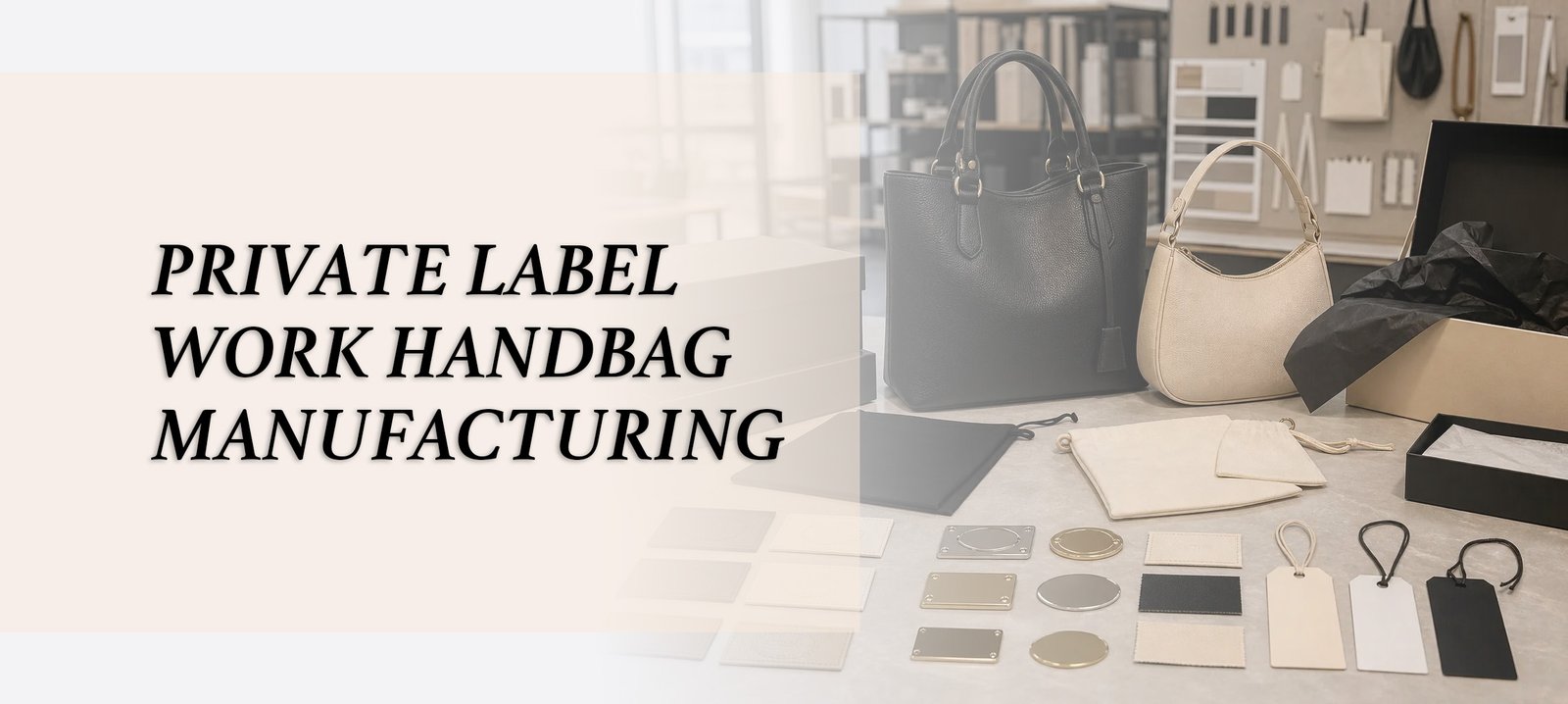
In real buyer inquiries, I often hear the same first question: “Can you add our logo?” I understand why buyers ask this first. A logo is visible. A logo feels like ownership. Yet I have learned that the deeper question is more useful: can this work handbag protect the brand when hundreds or thousands of pieces are produced, packed, shipped, and sold under that brand name? That is where private label readiness really starts, and that is where many sourcing mistakes become clear.
What Features Define a Good Work Handbag?
A weak work bag creates daily frustration. I have seen buyers lose repeat orders because the bag looked fine, but did not serve office users well.
I define a good work handbag by its daily function, stable shape, organized interior, comfortable carry, and finish level that matches the brand price point.
I start with the real user, not the logo
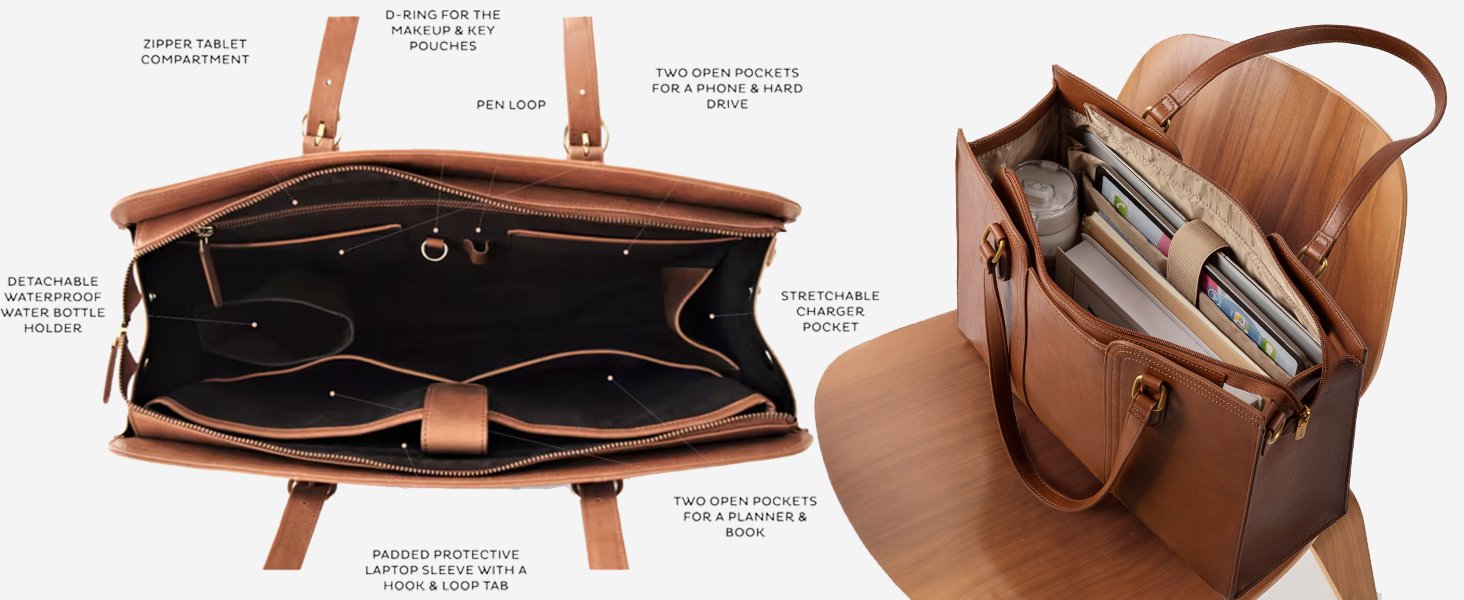
I see many buyers begin with a style photo. I think that is normal. Yet I always try to bring the discussion back to the end user. A work handbag should hold a laptop, documents, charger, phone, wallet, small cosmetics, and sometimes lunch or travel items.2 If the bag cannot support that use, private labeling only makes the weakness more visible.
| Feature I check | Why it matters for buyers | Common risk I see |
|---|---|---|
| Shape retention3 | The bag must look professional after use | Soft body collapses too fast |
| Handle strength | The user carries heavy items daily | Handles stretch or wrinkle |
| Interior layout | Office users need quick access | Pockets are too few or too small |
| Base support | The bag must stand well | Bottom sags after loading |
| Closure design | The user needs security | Open top feels too casual |
| Finish level | The brand needs trust | Edges and stitching look uneven |
I also look at the target sales channel. A supermarket gift program may accept a lighter tote. A brand boutique may need a cleaner structured bag. A corporate gifting buyer may need stronger packaging and simple colorways. I do not treat every work handbag as private label ready. I first ask whether the style fits the buyer, the retail price, and the expected use. If the answer is weak, I suggest changing the base style before adding any brand details.
Why Are Structured Totes Trending for 2026?
Trends can look simple from the outside. I see buyers chase a shape, then miss the reason customers keep choosing it.
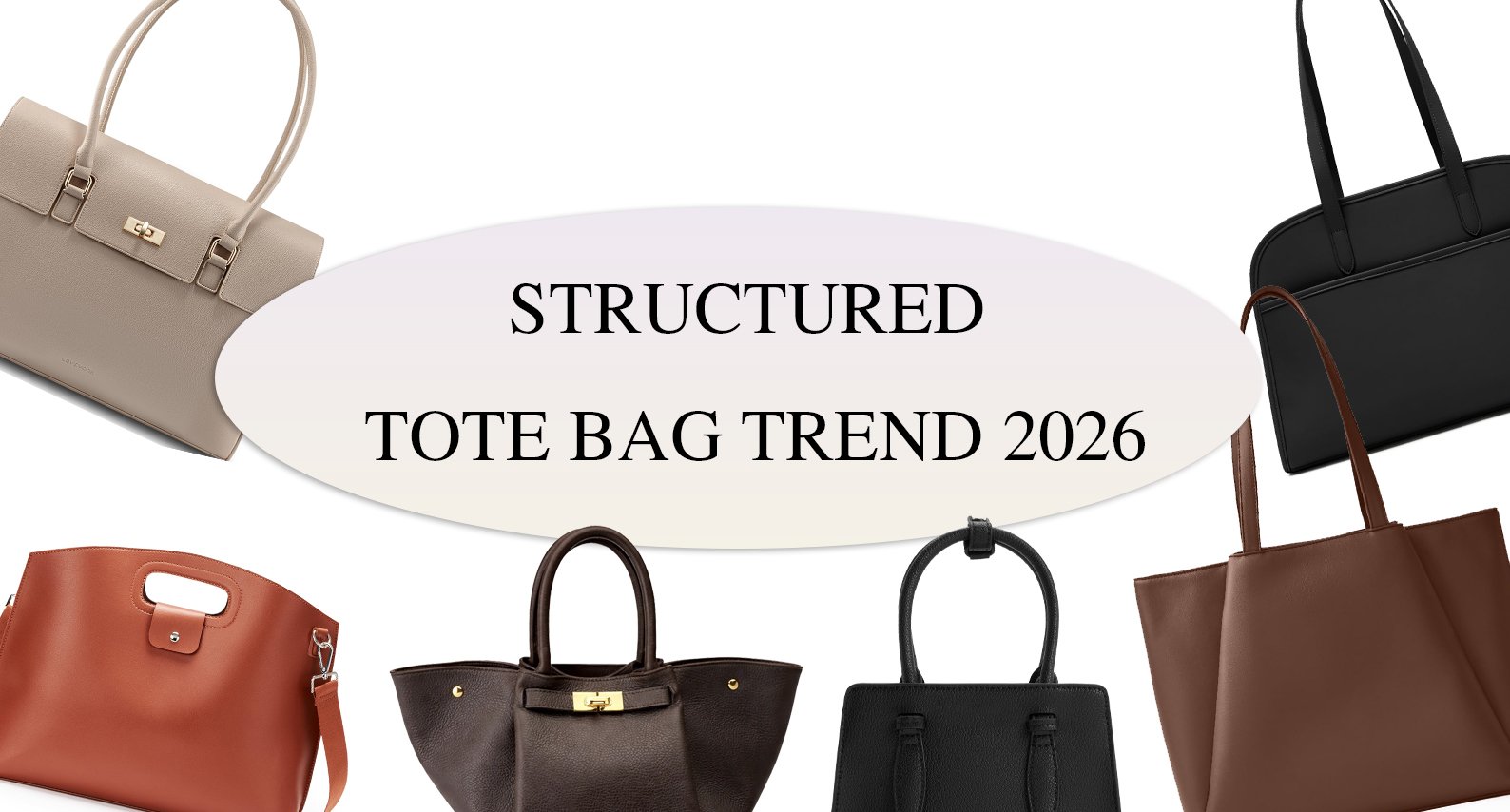
I see structured totes gaining interest because they look clean, hold work items well, and support a more premium office image without becoming too formal.4
I connect the trend with buyer risk
From my conversations with buyers, structured totes are popular because they solve two needs at once. They look professional in photos, and they work well in daily office use. A structured tote also gives more control to the brand. The surface holds its shape. The logo sits in a more stable position. The bag looks better in e-commerce images, catalogs, and retail displays.5
| Buyer need | How a structured tote helps | Risk if structure is poor |
|---|---|---|
| Office-ready look | The shape looks clean and controlled | The bag looks cheap after packing |
| Bulk brand display | Logo placement stays more consistent | Panels bend and distort the logo |
| Higher perceived value | The bag feels more finished | The sample looks better than bulk |
| Practical capacity | The tote holds work items well | The body becomes too heavy |
| Easy merchandising | The product photographs clearly | Wrinkles show in online listings |
I do not think structure alone makes a tote better. I think the structure must match the material and price level. A low-cost tote can still be structured, but the buyer should understand the limits. A premium tote should not only look rigid in the sample room. It should keep a clean profile after sewing, packing, and shipping. For 2026 planning, I see buyers asking for “quiet” office bags. They want fewer loud details. They want better shape, better touch, and better brand control. This is why I often see structured totes move ahead of loose casual totes in private label work bag projects.
Which Materials Create a Premium Office Look?
A material swatch can fool the eye. I have seen a bag look premium in one sample, then lose that feeling after bulk production.
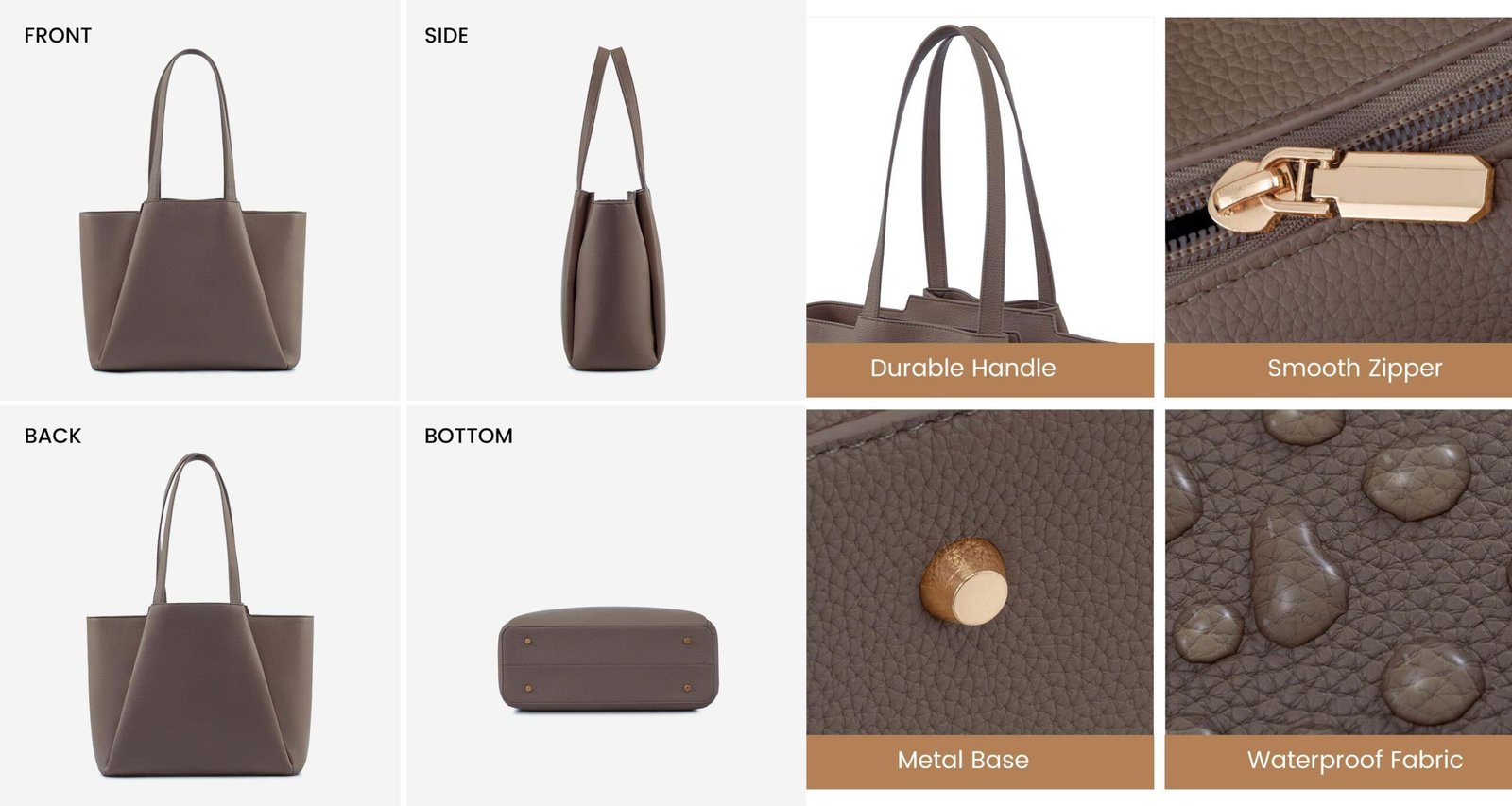
I create a premium office look by matching material texture, body firmness, lining, hardware, and finishing to the brand level and target price.6
I judge materials by repeatability
I do not choose material only because it looks beautiful in a photo. I ask whether it can stay consistent in bulk. For private label work handbags, this point matters a lot. A brand may accept one nice sample, but customers will judge every piece they buy. If the fabric shade changes too much, if the texture looks uneven, or if the panel creases badly, the brand value drops.7
| Material area | What I look for | Why it affects brand feel |
|---|---|---|
| Outer fabric or PU | Even texture and stable color | The first touch shapes trust8 |
| Lining | Clean color and firm hand feel | The inside must not feel ignored |
| Interlining | Correct stiffness for the shape | The bag needs body control |
| Hardware | Smooth finish and stable color | Small parts affect price image |
| Zipper | Easy movement and neat sewing | Daily use depends on it |
| Edge or binding | Clean finish and matched tone | Rough details lower value |
I often remind buyers that “premium” does not always mean expensive. It means the material choices work together. A matte PU with clean hardware may look more office-ready than a shiny material with loud metal parts. A recycled fabric can also look professional if the surface, color, and sewing are controlled well.9 I see many buyers focus on the outer material first. I think they should also check lining, handles, zipper tape, label position, and packaging. These details create the full brand feeling. A work handbag becomes private label ready when the material story can be repeated across the order, not only shown on one good sample.
How Can Brands Keep Logos Subtle on Work Bags?
A large logo can make a work bag feel promotional.10 I have seen buyers reduce brand value by making the mark too loud.
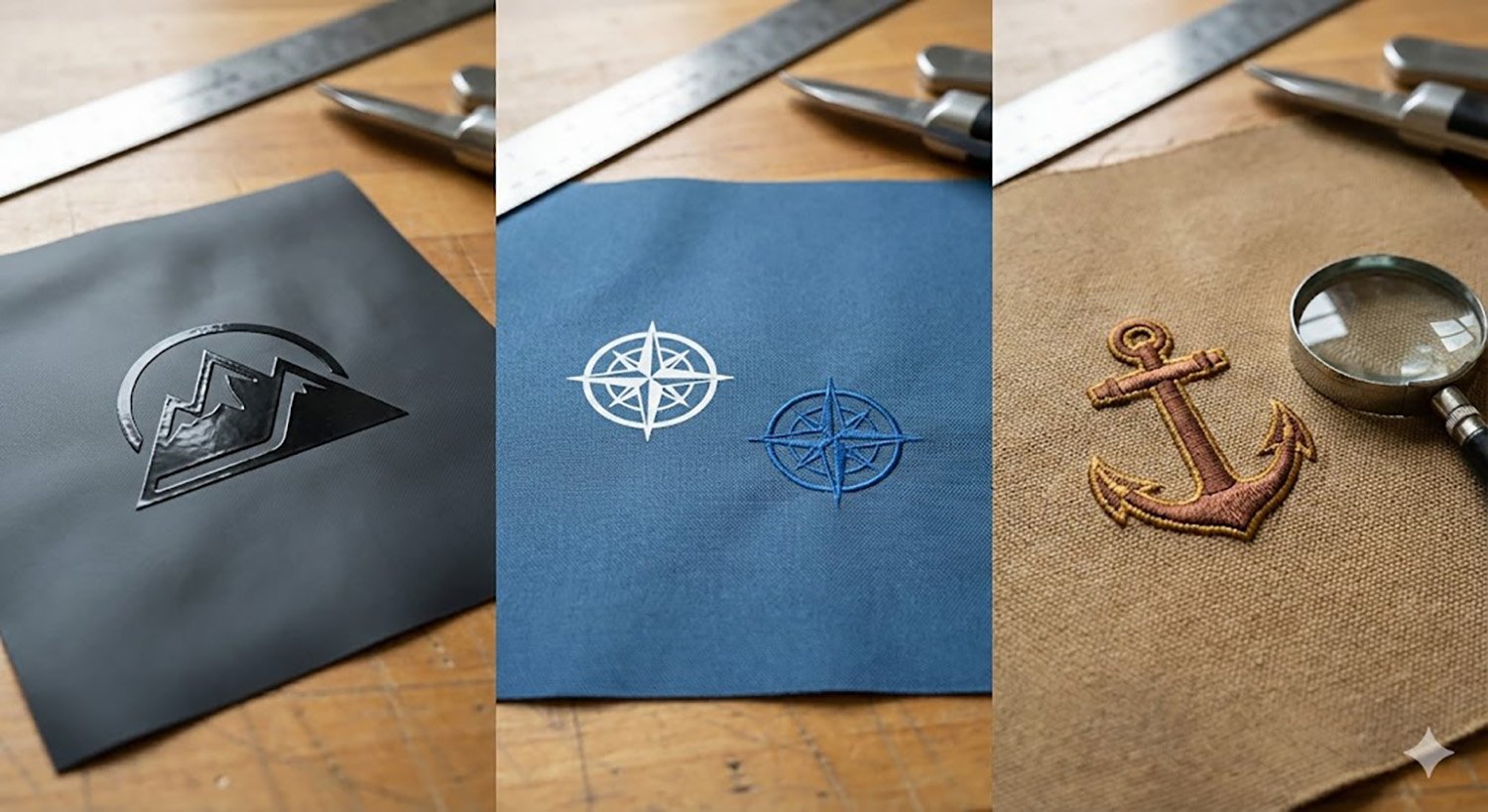
I keep logos subtle by using small embossing, tonal printing, metal badges, woven labels, or clean placement that supports the office style.
I treat branding as part of the design
Many buyers ask me for the cheapest logo method first. I understand the cost concern. Yet I also ask where the bag will be sold and how the user will carry it. A work handbag often needs quiet branding. Office users may not want a large, bright logo on a daily bag.11 A subtle mark can make the product feel more refined, and it can help the brand stay flexible across different customers.
| Logo method | Best use | Buyer risk to control |
|---|---|---|
| Debossed logo | PU or leather-like panels | Low depth may be hard to see |
| Tonal print | Minimal office designs | Poor color match looks messy |
| Metal badge | Mid to premium positioning | Badge may scratch or tilt |
| Woven label | Fabric bags and inner branding | Label edge may fray |
| Rubber patch | Sport-office hybrid styles | Patch may look too casual |
| Printed hangtag | Brand story and retail display | Tag alone is not enough branding |
I think the best private label work bag uses more than one brand layer. The outside logo can stay small. The inside label can carry more information. The hangtag can explain the collection. The polybag sticker, carton mark, and packing method can support the buyer’s warehouse process. This is why I do not see private label as only a decoration question. I see it as a delivery system. The logo, label, packaging, and product finish must speak the same brand language. If the bag looks clean but the packaging looks random, the brand presentation becomes weak. Subtle branding works best when every small detail feels planned.
What Should Buyers Check Before Ordering Private Label Totes?
A sample approval can create false confidence. I have seen buyers approve style too early and discover production issues too late.
I check production repeatability, material stability, construction details, packaging plan, QC points, lead time, and supplier communication before I treat a tote as order-ready.
I separate sample approval from production readiness
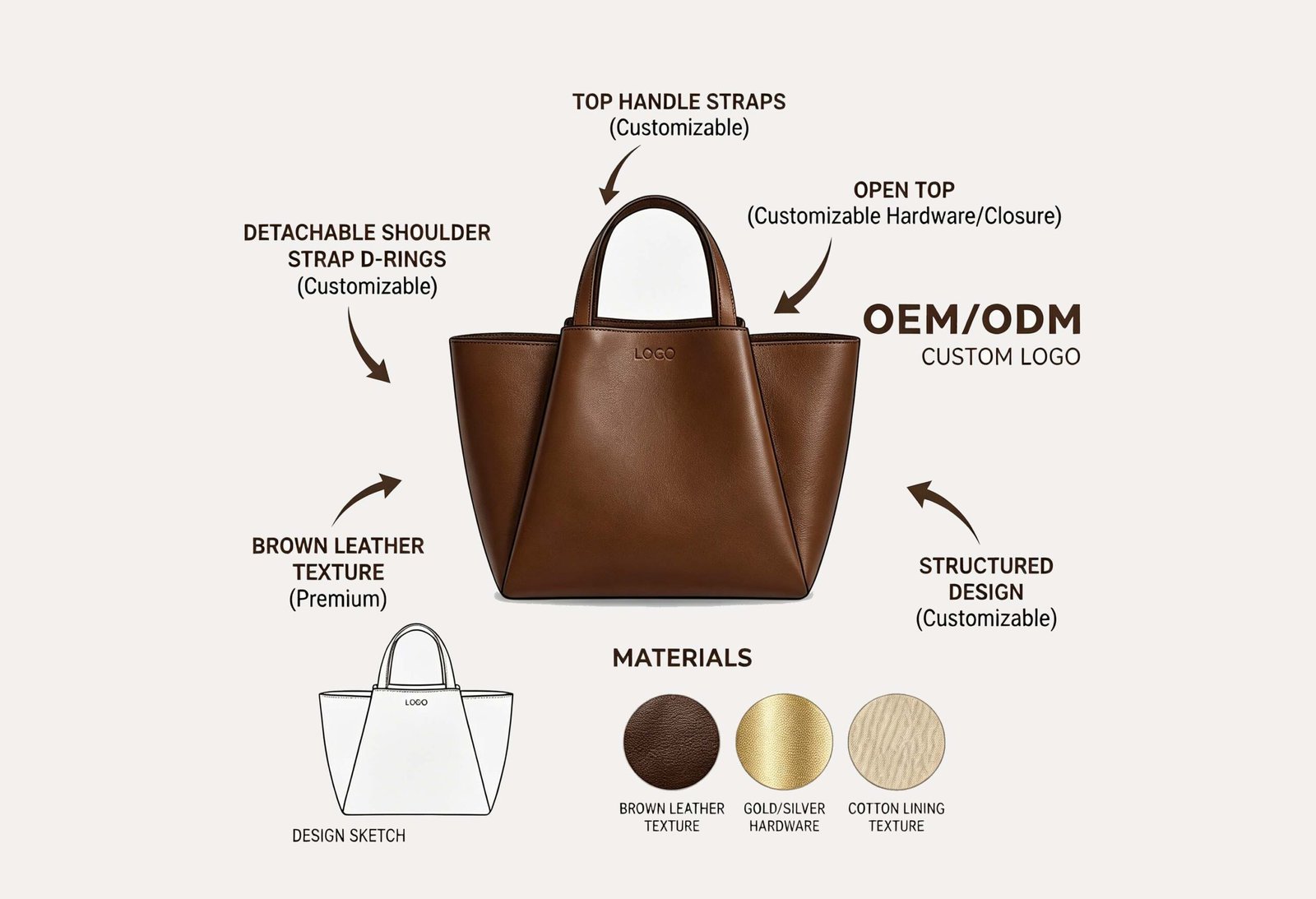
I believe a sample is only the beginning. It shows the design direction. It does not prove that the supplier can repeat the same level in bulk.12 In supplier evaluation, I pay attention to how the supplier explains risks. A good supplier does not only say yes. A good supplier tells me which material may change, which logo method needs testing, and which packing method may affect shape.
| Check point | What I ask | What I want to avoid |
|---|---|---|
| Material source | Can the same material be used for bulk? | Shade or texture difference |
| Logo trial | Has the logo been tested on real material? | Peeling, weak embossing, wrong color |
| Sewing standard | Are key seams and stress points defined? | Uneven quality across workers |
| Hardware choice | Is the finish stable for the order level? | Color change or loose parts |
| Packing method | Will the bag hold shape in transit? | Creases and crushed panels |
| QC plan | Which defects are unacceptable? | Late disputes after inspection |
| Lead time | Is the timeline based on real capacity? | Missed launch date |
I also ask buyers to confirm the commercial side early. The payment terms, inspection process, carton marks, shipping plan, and after-sales response all affect the final result. A private label tote is not only a product. It is also part of a supply chain. If the communication is slow during sampling, I expect more pressure during production. If the supplier cannot explain measurements, tolerances, or packing, I become careful. I have learned that buyers should not be impressed only by a beautiful sample. They should ask whether the supplier can protect the brand when the order becomes large, time becomes tight, and small details become real money.
How Can Buyers Test a Work Bag Range Before Large Orders?
A big order can hide big risk. I have seen buyers commit too soon, then struggle with styles that customers did not repeat.
I test a work bag range through small batch sampling, limited SKUs, logo trials, packing checks, user feedback, and clear quality reviews before scaling.
I use testing to protect both style and supply
I often suggest that buyers test a work bag range before they expand it. This does not always mean a very small order. It means a controlled order with clear learning goals. A buyer can test two or three styles, compare colors, review logo methods, and check how the packaging arrives. This step helps the buyer learn which style deserves a bigger order.
| Test area | How I test it | What the buyer learns |
|---|---|---|
| Style mix | I compare tote, laptop tote, and shoulder tote | Which shape fits the customer best |
| Color range | I test basic office colors first | Which color is safe for repeat orders |
| Logo method | I make logo trials on real material | Which branding method looks best |
| Packing | I check the bag after carton shipping | Whether shape is protected |
| User feedback | I ask real users to carry the bag | Whether comfort and layout work |
| QC review | I inspect repeated defects | Whether bulk risk is acceptable |
| Sales result | I review sell-through or reorder interest | Which SKU should scale |
I do not think testing is a delay. I think testing is a way to buy better. Many buyers work with limited seasons, budgets, and launch windows. A failed large order can damage trust with their retail customers. A controlled test can show which material feels right, which handle length users prefer, and which logo level fits the office market. It can also show how the supplier communicates when changes are needed. For B2B private label projects, I think this is important. The buyer is not only choosing a bag. The buyer is choosing a repeatable product system. Once the system works, larger orders become easier to manage.
Conclusion
I see a work handbag as private label ready only when the style, quality, branding, packaging, and bulk repeatability can protect the buyer’s brand.
"Operations-driven Performance Measurement for Smart ...", https://www.nist.gov/programs-projects/operations-driven-performance-measurement-smart-manufacturing-systems. Quality-management standards treat consistent conformity of products and controlled production processes as core requirements for reliable manufacturing, which supports the claim that private label readiness depends on repeatable bulk output rather than decoration alone. Evidence role: expert_consensus; source type: institution. Supports: Quality-management standards and manufacturing guidance emphasize consistent process control and conformity of outputs, supporting the idea that repeatability is essential for brand-ready production.. Scope note: This would support the manufacturing principle generally, not handbag private labeling specifically. ↩
"A Human-Centered Design Methodology to Enhance the Usability ...", https://pmc.ncbi.nlm.nih.gov/articles/PMC5374275/. Human-centered design literature emphasizes that product requirements should be derived from users' tasks, environments, and carried objects, providing contextual support for defining a work handbag by the items office users need to transport. Evidence role: general_support; source type: education. Supports: Human-centered product design and ergonomics sources can support designing bags around users' real tasks, carried objects, and daily contexts.. Scope note: This evidence would support the design approach rather than prove the exact item list is universal. ↩
"Hand-Feel Touch Cues and Their Influences on Consumer ... - PMC", https://pmc.ncbi.nlm.nih.gov/articles/PMC6678767/. Studies of consumer product-quality perception show that visible appearance cues and signs of deterioration influence judgments of quality, offering contextual support for treating shape retention as a functional and branding requirement in work bags. Evidence role: mechanism; source type: paper. Supports: Research on perceived product quality and appearance retention can support the idea that visible deformation or deterioration affects consumer quality judgments.. Scope note: The likely evidence concerns product appearance and perceived quality broadly, not only structured handbags. ↩
"The 10 Best Work Bags for Women in 2026 - YouTube", https://www.youtube.com/watch?v=pWqy4gKCQss. Recent fashion and search-trend evidence indicates increased attention to structured tote and work-bag formats, providing contextual support for the claim that buyers are showing interest in cleaner, office-oriented tote silhouettes. Evidence role: general_support; source type: other. Supports: Trend data or fashion analysis should show growing attention to structured totes or work totes and connect the style with office or professional use.. Scope note: Trend evidence may indicate market attention rather than directly prove buyer motivations. ↩
"How product images influence online purchase decisions ...", https://www.tilburguniversity.edu/current/news/more-news/how-product-images-influence-online-purchase-decisions-and-when-they-dont. Research on e-commerce presentation and visual merchandising finds that product-image quality and visible appearance cues affect perceived quality and purchase intention, which supports the relevance of a stable bag silhouette for online and retail display. Evidence role: mechanism; source type: paper. Supports: E-commerce and visual merchandising research can support that product appearance and image quality influence perceived quality and purchase decisions.. Scope note: This supports the importance of visual presentation generally, not a direct comparison between structured and unstructured totes. ↩
"[PDF] A Study on the Effect of Fabric Structure and Finishing on Perceived ...", https://repository.rit.edu/context/theses/article/11243/viewcontent/PSharmaThesis5_2019.pdf. Consumer-perception research shows that material, tactile, and finishing cues contribute to perceived product quality and value, supporting the claim that a premium office look depends on coordinated surface, structure, hardware, and finishing details. Evidence role: mechanism; source type: paper. Supports: Research on product-quality cues can support that materials, tactile properties, finishing, and visible details shape perceived quality and price positioning.. Scope note: The support is likely based on broader product or fashion categories rather than private label work handbags alone. ↩
"The Influence of Packaging Color on Consumer Perceptions ...", https://pmc.ncbi.nlm.nih.gov/articles/PMC10648973/. Research on perceived product quality indicates that visible defects and inconsistencies in appearance can reduce quality evaluations and brand assessments, supporting the claim that shade, texture, and creasing variation can weaken perceived brand value. Evidence role: mechanism; source type: paper. Supports: Academic evidence should show that visible product defects or inconsistency reduce perceived quality and can harm brand evaluation.. Scope note: This would substantiate the perceptual mechanism, not quantify the exact loss of brand value for handbags. ↩
"Hand-Feel Touch Cues and Their Influences on Consumer ... - PMC", https://pmc.ncbi.nlm.nih.gov/articles/PMC6678767/. Haptics and sensory-marketing studies show that tactile cues such as texture and material feel influence product evaluation and perceived quality, providing support for the claim that the first touch contributes to trust in a handbag. Evidence role: mechanism; source type: paper. Supports: Sensory-marketing and haptics research can support that touch and texture influence product evaluation and perceived quality.. Scope note: The evidence would support trust as part of consumer evaluation broadly, not necessarily measure trust in work handbags specifically. ↩
"Investigating Consumer Perceptions Towards Apparel Made of ...", https://etd.auburn.edu/handle/10415/9580. Textile research and industry standards literature indicate that recycled fibers can be engineered to meet defined performance and appearance requirements, supporting the claim that recycled fabric can appear professional when surface, color, and sewing quality are controlled. Evidence role: general_support; source type: institution. Supports: Textile research or institutional reports should show that recycled fabrics can meet performance and appearance requirements when properly specified and manufactured.. Scope note: This supports technical feasibility, not the success of any particular recycled handbag material. ↩
"Consumers' Implicit Motivation Of Purchasing Luxury Brands - PMC", https://pmc.ncbi.nlm.nih.gov/articles/PMC6768311/. Research on logo prominence and status signaling in fashion goods shows that conspicuous branding affects consumer interpretation of a product, supporting the claim that a large logo can shift a work bag toward a more promotional impression. Evidence role: mechanism; source type: paper. Supports: Branding research on logo prominence can support that conspicuous marks change perceived status, taste, and consumer signaling.. Scope note: The cited literature may focus on luxury goods or apparel rather than office handbags specifically. ↩
"Neuroscientific Analysis of Logo Design: Implications for Luxury ...", https://pmc.ncbi.nlm.nih.gov/articles/PMC12024241/. Studies of workplace impression management and brand prominence suggest that professional contexts can affect how conspicuous visual signals are evaluated, providing contextual support for the claim that some office users may avoid large, bright logos on daily bags. Evidence role: general_support; source type: paper. Supports: Workplace impression-management and branding research can support that professional contexts influence preferences for more restrained visual signals.. Scope note: This would support a tendency or context effect, not prove that all office users prefer subtle branding. ↩
"[PDF] ISO 2859-1 - UNT Chemistry", https://chemistry.unt.edu/~tgolden/courses/iso2859-1.pdf. Manufacturing quality-control standards distinguish prototype or sample approval from ongoing lot conformity, supporting the claim that one approved sample cannot demonstrate repeatable bulk-production quality. Evidence role: expert_consensus; source type: institution. Supports: Quality-control standards and manufacturing guidance should support that lot inspection, process control, and defined acceptance criteria are needed beyond prototype or sample approval.. Scope note: This supports the quality-control principle generally rather than a handbag-specific failure rate. ↩